The Question That Arrives in Every Inbox
“How do you keep the dust out of the rest of the house?”
We have received some version of this question from three different readers in the last two weeks. It is the most practical, least glamorous, and most universal renovation problem. So here is the full, unfiltered answer from inside a real mid-budget kitchen gut in a 1994 house with two kids and a dog who believes every plastic barrier is a personal challenge.
Short version: you cannot keep all of it out. You can only reduce the damage and make the cleanup survivable.
What We Actually Did
1. Zipper Plastic Walls (The First Line)
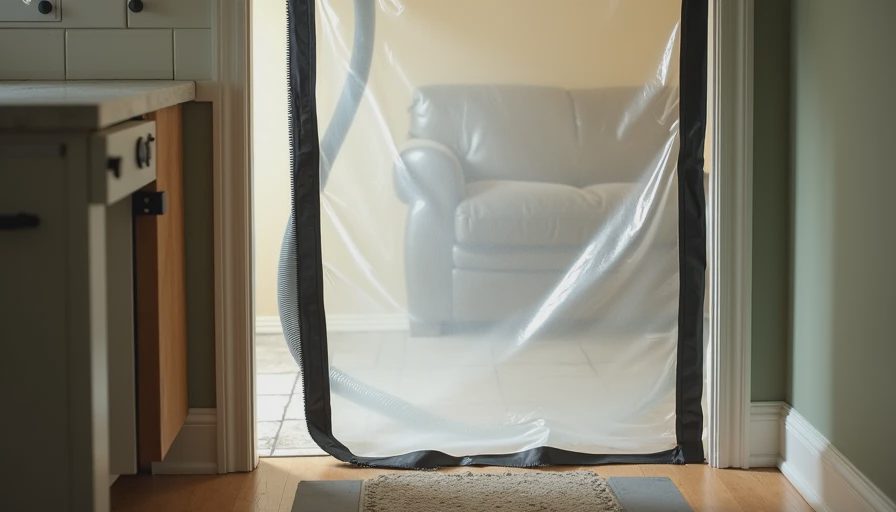
We bought the heavy contractor plastic and the self-adhesive zipper doors. We sealed the kitchen doorway completely, including the top and sides, and ran the plastic at least six inches past the trim on every edge. A second layer of tape went over the first. We also sealed the HVAC supply and return vents inside the kitchen with plastic and tape so the system would not suck dust into the rest of the house.
This worked better than nothing and worse than the product photos suggest. Fine dust still migrated. The zipper itself became a weak point after the tenth time someone went through it with tools or a shop vac hose.
2. Negative Pressure (The Part Most People Skip)
We set a box fan in a kitchen window blowing outward and sealed around it with plastic. The goal was to create negative pressure so air (and dust) would rather leave through the window than escape under the plastic walls into the living room. It helped. It did not eliminate the problem. On windy Salt Lake days the system fought itself.
3. The Shop Vac Religion
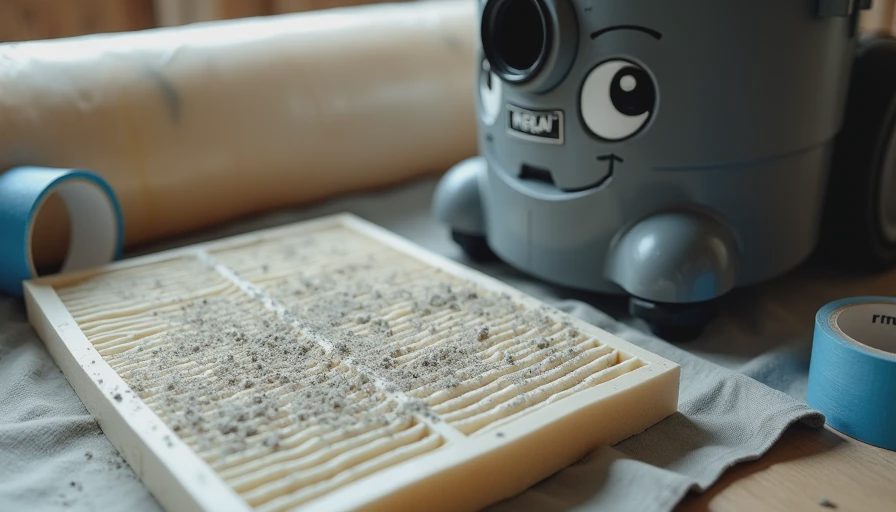
Every work session ended with a full shop-vac pass before we opened the zipper wall. We changed or cleaned the filter far more often than the manual recommended. We also vacuumed the plastic walls themselves so that opening the zipper did not create a dust cascade. This single habit probably saved us more cleanup time than any other tactic.
4. The “Airlock” Habit
We treated the plastic doorway like an airlock. Tools and materials went in or out in batches. We brushed ourselves off (or used the shop vac hose) before stepping into the clean side. The kids were banned from the work zone entirely. The dog required constant vigilance and still managed to leave gray paw prints on the hallway floor twice.
5. Temporary Floor Protection Outside the Zone
We ran cheap paperboard and plastic runners from the kitchen doorway down the main hallway. It looked ugly and it caught a surprising amount of the dust that still escaped. At the end of each day we rolled the runners inward so the dust stayed contained.
What Still Failed
Fine drywall and sanding dust is patient and clever. It traveled through microscopic gaps we never found. It settled on the living-room baseboards. It appeared on the dining table even when the plastic wall was sealed. It coated the leaves of the houseplants nearest the work zone. The HVAC system, even with vents sealed in the kitchen, still moved some particles around once the system cycled.
After the heaviest demo and sanding days we did a full evening wipe-down of every horizontal surface in the adjacent rooms. That was the only way to keep the rest of the house livable.
The Real Cost of Dust Control
Heavy plastic and zipper doors: $68
Extra tape, paperboard runners, and disposable filters: $47
Replacement shop-vac filters (we went through several): $28
Time: 20–40 minutes at the end of every work day
These numbers are in the public spreadsheet under “Dust Containment.” They are small compared with the asbestos or plumber hits, but they are real and they compound.
What We Would Do Differently Next Time
Build a more rigid temporary wall instead of relying only on plastic. A simple 2x3 frame with plastic stapled over it creates a better seal and survives repeated traffic.
Rent a real negative-air machine for the heaviest demo and sanding days instead of relying on a box fan.
Accept that some dust will escape and schedule a professional clean of the adjacent rooms at the midpoint and again at the end. The cost is lower than the cumulative time spent wiping baseboards at 9 p.m.
Keep a dedicated “clean side” shop vac that never enters the work zone so we are not tracking dust back out with the vacuum itself.
The Honest Answer to the Question
You keep most of the dust out with plastic, negative pressure, obsessive vacuuming, and discipline about the doorway. You will still find dust where you do not want it. The goal is not perfection. The goal is to keep the rest of the house functional enough that the family does not stage a revolt before the counters go in.
We are still finding the occasional gray film on a windowsill weeks later. That is the tax of doing the work ourselves inside a lived-in house. The spreadsheet records the money. The baseboards record the rest.
Measure twice, cook once.
And vacuum the plastic wall before you open the zipper.