The Question I Keep Getting
“Knowing everything you know now, what would you do differently?”
It is the most useful question a reader can ask, and the one I have been answering in pieces across earlier posts. This is the consolidated version—no soft focus, no “it all worked out in the end.” Just the specific changes I would make if the dumpster were scheduled for tomorrow morning and the public spreadsheet were still blank.
1. I Would Double the Demo Timeline and Mean It
We wrote “four hours” in the notebook for demolition. It took twelve. That single optimistic estimate cascaded into rushed decisions later in the week. Next time the notebook would say “full day, possibly two” and the calendar would reflect it. Demolition is not the place for hopeful math.
2. I Would Budget Real Money for the Unknown Under the Floor
The original contingency included $1,000 for “whatever is under the subfloor.” Asbestos tile cost $2,800. Next time that line would start at $3,000 and I would treat it as likely, not theoretical. Older houses keep secrets. Pay for the testing early, then budget as if the test will find something anyway.
3. I Would Never Schedule Final Plumbing and Countertop Template in the Same Week
The plumber’s discoveries in week 5 stopped the entire critical path and forced a countertop delay. Next time those two trades would be separated by at least a full week of buffer. Critical-path optimism is expensive.
4. I Would Order Cabinets Earlier and Build in a Six-Week Buffer
The cabinets arrived six weeks late with two wrong doors and a missing drawer front. The website said four to six weeks. Reality said nine. Next time I would place the order the day the design was locked and treat the published lead time as the best-case scenario, not the plan.
5. I Would Buy the Dust-Control Measures That Actually Work
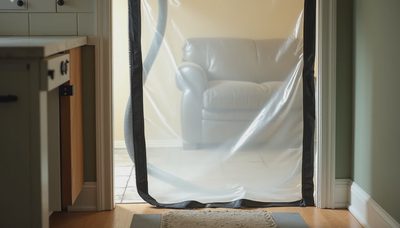
Plastic zipper walls and a box fan helped. They did not solve the problem. Next time I would build a rigid temporary wall, rent a proper negative-air machine for the heavy days, and schedule a professional clean of the adjacent rooms at midpoint and at the end. The cumulative time spent wiping baseboards at 9 p.m. was its own hidden cost.
6. I Would Keep the Temporary Kitchen Simpler and Stock It Like a Camping Trip
We over-complicated the temporary setup in the first two weeks. The meals that actually worked were chili, quesadillas, sheet-pan sausage, eggs, and one decent pasta night. Next time I would pre-cook and freeze more, buy the paper goods in bulk on day one, and accept that gourmet is not the goal during the dusty middle.
7. I Would Still Choose the Same Major Materials
RTA plywood-box cabinets, 20-mil rigid-core LVP, and quartz counters have all earned their keep after six months of real use. I would not switch to tile or hardwood for this family kitchen. I would not upgrade to full custom cabinets. The material decisions held up; the process decisions are what I would change.
8. I Would Write the “Stop Rules” Before Demo Day
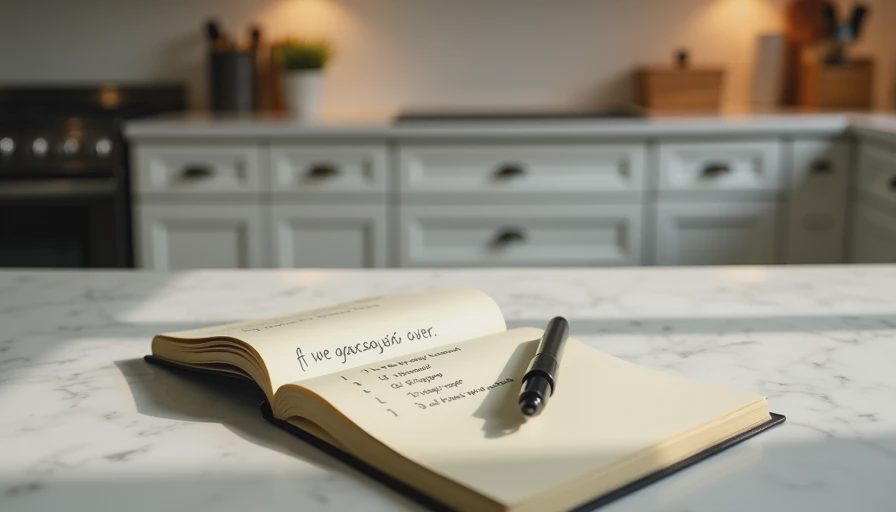
We never formally decided in advance what level of delay or cost overrun would trigger a pause or a change in scope. Next time those thresholds would be written in the notebook before the first cabinet door came off. Emotion makes bad mid-project decisions. Clear pre-committed limits make better ones.
9. I Would Photograph and Measure More Obsessively Before Anything Came Out
We measured twice. We still discovered out-of-square conditions and hidden junctions once the cabinets were gone. Next time I would create a full photographic elevation of every wall, every outlet, and every plumbing penetration before demo, and I would measure the diagonals of every run. The template and the plumber both needed information we only fully possessed after the room was already open.
10. I Would Still Do the Majority of the Work Ourselves
Even with the overruns, the final $41,400 landed well below the lowest contractor bid. The gap paid for soccer and ski days. The dust, the delays, and the Instant Pot phase were the price. I would pay that price again, but I would pay it with better planning and fewer optimistic checkboxes.
The One Thing I Would Not Change
The public spreadsheet. Writing every dollar down in real time kept the project honest when it would have been easier to blur categories or delay recording the ugly numbers. That discipline is the reason this entire series exists. I would open the blank sheet on day one again without hesitation.
The Short Version
Start earlier on cabinets.
Budget like the floor is hiding something.
Separate the critical trades by real calendar days.
Treat published lead times as fiction until proven otherwise.
Accept that dust control costs money and time.
Keep the temporary kitchen ruthlessly simple.
Write the stop rules before you need them.
Measure more than twice.
And still do most of it yourself if the math and the temperament allow.
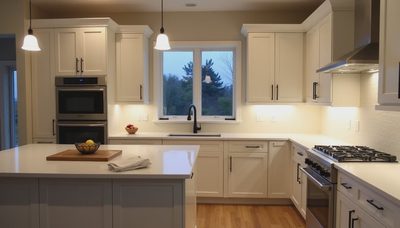
The kitchen works. We cook in it every day. The lessons above are the ones that still sting a little when I open the notebook. They are also the ones that would make the next project cleaner.
Measure twice, cook once.
And if you start over tomorrow, steal the list.