
I started asking what is the best wake up routine after too many mornings began with a phone alarm, a cold cup of coffee, and Charlie asking where his soccer socks had gone. The internet offered elaborate systems involving sunrise lamps, cold plunges, journaling, and an hour of silent meditation. That was not going to survive our 1994 kitchen renovation, two kids, and my first 8 a.m. product meeting. The useful answer is simpler: the best routine helps you wake gradually, get your body moving, and reach the day with fewer decisions already waiting for you.
What is the best wake up routine for ordinary people?
The best plan is repeatable, not impressive. A good morning routine should fit your actual wake time, sleep needs, household responsibilities, and energy level. If it requires waking 90 minutes earlier than everyone else, preparing six supplements, or avoiding all technology forever, it is probably a project rather than a routine.
For most adults, a practical sequence looks like this:
- Wake at a consistent time, including weekends when possible.
- Open curtains or step outside for natural light.
- Drink water before reaching for a second coffee.
- Move for five to fifteen minutes.
- Wash up and get dressed before checking messages.
- Eat a simple breakfast if you are hungry.
- Review the day and choose the one task that matters most.
That list takes about 25 minutes in my house. On school mornings, it sometimes takes 11. The point is not completing every item perfectly. The point is having a default sequence so your brain does not need to design the morning while still half asleep.
A steady wake time also matters more than a clever alarm. Adults generally need at least seven hours of sleep, so count backward from the time you need to get up. A sunrise alarm can help a dark bedroom, but it cannot compensate for routinely going to bed too late.
Build the first 30 minutes around light and movement
When people ask what is the best wake up routine, I usually start with light because it is free, fast, and easier to measure than motivation. Open the blinds immediately. In winter in Salt Lake City, that might mean turning on bright indoor lights first and taking a short walk once the sun is up. The goal is to give your body a clear signal that nighttime is over.
Next, add gentle movement. This is not the time to prove anything. Five bodyweight squats, shoulder rolls, a few stretches, or a brisk walk around the block can loosen the stiffness that comes from sleeping and sitting. I keep an exercise mat beside the sofa because storing it in a closet turned a two-minute habit into a scheduling problem.
A useful test is whether you could continue the routine on a busy Tuesday. If your plan calls for a 45-minute workout, a cold shower, and a detailed mobility circuit, create a smaller version for rushed days. My full version is a 20-minute trail walk or short strength session. The minimum is putting on shoes and walking to the mailbox and back. Small is not a failure; it is the version that keeps the habit alive.
Avoid making intense exercise the first requirement unless you genuinely enjoy it. A routine that leaves you exhausted before breakfast can create a rebound by midmorning. Gentle movement should wake you up, not become another chore you resent.
Make coffee, breakfast, and screens work for you
The second practical answer to what is the best wake up routine is to remove friction from food and caffeine. Coffee is not a moral issue in my house. I drink it, Megan drinks it, and the children have been informed that touching the grinder is a serious kitchen offense. The useful boundary is timing and quantity, not pretending coffee is bad.
Drink water first, then make the coffee you actually like. If caffeine makes you jittery or disrupts sleep, reduce the amount or stop earlier in the day. Do not add a complicated wellness powder just because a video made it look essential.
Breakfast should be easy enough to repeat. Greek yogurt with fruit, oatmeal, eggs on toast, or a peanut butter banana are all reasonable choices. Prepare one component the night before if mornings are crowded. We keep hard-boiled eggs and washed fruit ready during school weeks, which saves more time than any productivity app.
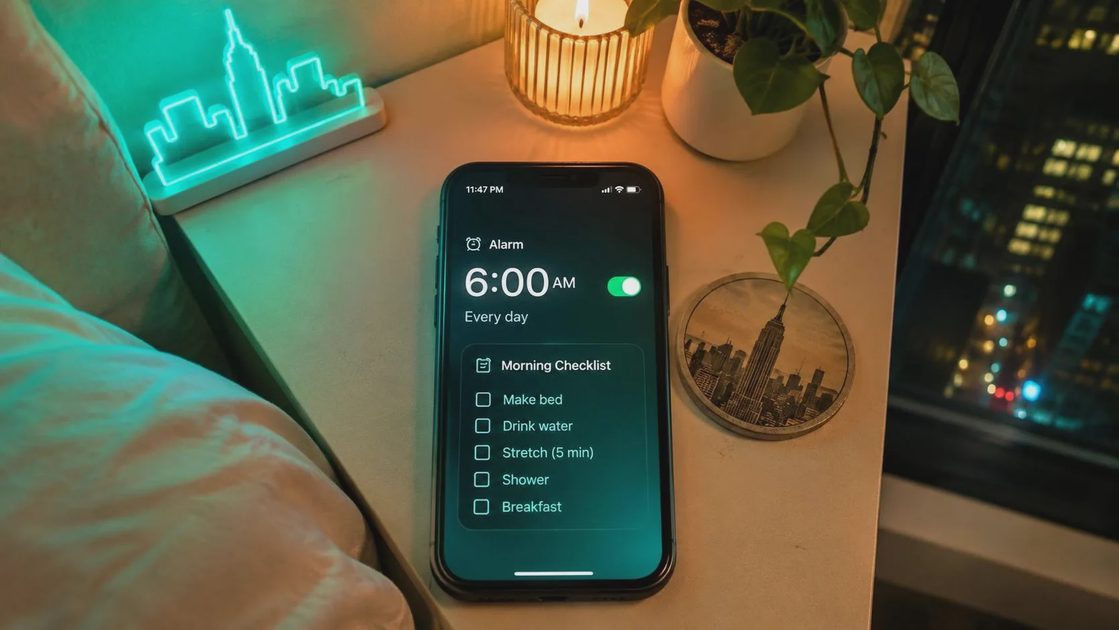
Screens are where my own plan usually breaks. Checking one work notification can turn into 20 minutes of email before I have put on shoes. Now I leave my phone charging across the bedroom and wait until after washing up to open it. If you need your phone for an alarm, use a basic alarm clock or place the device far enough away that you must stand to silence it.
A routine for parents, commuters, and bad nights
A credible plan must include disruption. Children wake up, dogs get sick, snow delays traffic, and renovation deliveries arrive with no warning. Asking what is the best wake up routine only makes sense if the answer still works after a poor night of sleep.
Create three versions in advance. The full routine might include light, a walk, breakfast, and planning. The standard routine might take 20 minutes. The emergency version should take five: drink water, open the blinds, wash your face, stretch briefly, and identify the first appointment or obligation. This prevents an imperfect morning from becoming an all-day collapse.
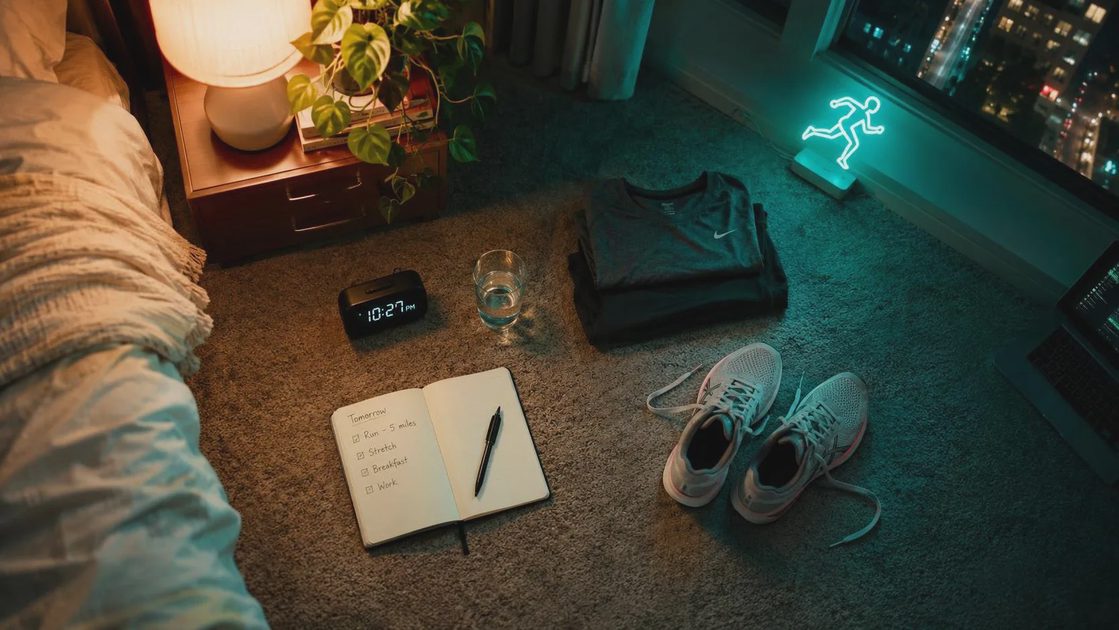
For commuters, pack a bag and choose clothes at night. For parents, put breakfast items in one visible area and prepare school essentials before bed. For remote workers, leave the bedroom before opening the laptop. A separate chair, table, or corner can provide enough physical distance to signal that the workday has started.
If you slept badly, do not try to repay the debt with an extreme routine. Use light, hydration, gentle movement, and a reasonable breakfast. A short nap later can be more useful than punishing yourself at 5 a.m. with a workout you cannot sustain.
How to test and improve your morning plan
Treat what is the best wake up routine as a small experiment rather than a permanent identity. Run one version for seven days and record four things: wake time, bedtime, energy at 10 a.m., and whether you completed the routine. Keep the notes in your phone or on paper; my renovation notebook has handled stranger data than this.
Change one variable at a time. Move the alarm 15 minutes earlier, then observe whether bedtime follows. Put the phone in another room, then see whether you spend less time scrolling. Prepare breakfast, then check whether you leave on time. If you change everything at once, you will not know what helped.
Do not judge success by having a peaceful, cinematic morning. Judge it by fewer rushed decisions and a more stable start. When my routine works, I am not transformed into a new person. I simply arrive at the kitchen with enough attention to find the soccer socks before the meeting begins.
The best routine is the one you can repeat through ordinary American life: work deadlines, school drop-offs, dark winter mornings, and occasional late nights. Start with light, water, movement, and a consistent wake time. Then measure twice, adjust once, and cook the day you actually have.