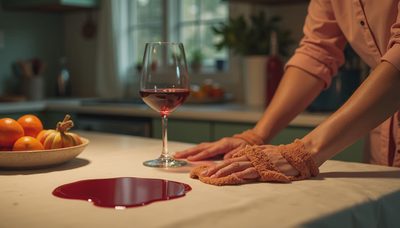
The first time I learned how to remove berry stains, I was standing in our half-finished kitchen with blueberry juice on a new white quartz sample. Emma had dropped a bowl of berries, Charlie had tried to help, and I had reacted by rubbing the mess directly into the surface. That was mistake number one. Berry juice contains strong natural pigments, and pressure can push those pigments deeper into fabric, grout, wood, and porous stone. The good news is that most fresh stains respond well when you slow down and use the least aggressive method first.
How to Remove Berry Stains While They Are Fresh
Start by lifting away solid fruit with the edge of a spoon or a dull butter knife. Do not drag the berries across the surface. Next, blot liquid with a clean white paper towel or cloth. Blotting matters because rubbing spreads the red, purple, or blue pigment into a larger area.
For washable clothing, rinse the back of the stain with cold running water. The water should push the berry residue out through the fabric instead of driving it farther in. Apply a small amount of liquid laundry detergent, work it gently into the mark, and wait five to ten minutes. Rinse again before washing according to the care label. Do not put the item in the dryer until the stain is gone. Heat can set the color and turn a removable spot into a permanent one.
On a sealed countertop, use warm water with a few drops of dish soap. Wipe from the outside of the stain toward the middle, then rinse and dry. This basic response is how to remove berry stains from many everyday surfaces without reaching for harsh chemicals too soon.

How to Remove Berry Stains From Countertops and Cutting Boards
Countertop material changes the plan. Our quartz counters are nonporous, so a fresh berry spill usually stays near the surface. A laminate counter is also fairly forgiving, although liquid can collect along seams. For either material, start with dish soap and water. If a faint shadow remains, make a paste from baking soda and a little water, spread it over the mark for five minutes, and wipe it away with a soft cloth. Avoid abrasive scouring pads, which can dull laminate and scratch some finishes.
Natural stone requires more restraint. Marble, limestone, and unsealed granite can absorb pigment and may react badly to acidic cleaners. Skip lemon juice and vinegar. Use a pH-neutral stone cleaner or mild dish soap, then dry the area completely. If the stain has soaked into the stone, a stone poultice may be necessary, but that is the point where I would stop experimenting and ask a countertop professional.
For a wood cutting board, scrape off fruit, wash with mild soap, and dry it upright so air reaches both sides. A light sanding can remove a stubborn surface mark, followed by food-safe mineral oil. Never soak a wooden board for an extended period.
Choosing a Safe Cleaner for the Material
The safest answer to how to remove berry stains depends on whether the surface is washable, sealed, painted, or porous. Before treating a visible area, test the cleaner on a hidden corner. This takes thirty seconds and can prevent a much larger repair.
Hydrogen peroxide is useful for some washable white fabrics, but it can lighten colored material and damage certain finishes. If you use it, apply a small amount, let it sit briefly, rinse thoroughly, and keep it away from bleach. Never mix bleach with ammonia, vinegar, or other household cleaners. That is not a clever cleaning shortcut; it can create dangerous fumes.
On painted cabinets, use a damp microfiber cloth and diluted dish soap. Do not use a melamine sponge aggressively on a glossy finish because it acts like a very fine abrasive. Our almond-colored 1994 cabinets already have enough character without adding a cloudy patch where a blueberry used to be.
How to Remove Berry Stains From Clothes, Rugs, and Upholstery
Fabric needs a slightly different sequence. For a shirt, table runner, or washable napkin, remove the solids, rinse with cold water, and pretreat with detergent. Let the item sit for five to ten minutes, then wash it. Inspect it under good light before drying. If the stain remains, repeat the treatment instead of increasing the water temperature.
For a rug or upholstered chair, use a dry towel to absorb the spill first. Mix a small amount of dish soap into cool water, dampen a white cloth, and dab the stain. Follow with another cloth dampened with plain water, then blot dry. Do not flood the cushion or rug. Excess moisture can create a separate problem, including musty odors or water marks.
If the fabric is labeled dry clean only, remove solids and blot without adding household cleaner. Tell the cleaner whether the spill was blueberry, raspberry, blackberry, or another fruit. That detail helps them choose a treatment. Silk, wool, and vintage textiles deserve especially careful handling because even water can change their appearance.
What Went Wrong in Our Kitchen
My first attempt involved a damp kitchen towel and far too much enthusiasm. I scrubbed a blueberry mark on the quartz sample for nearly a minute, then discovered I had spread it into a purple oval. The actual fix took less than five minutes: I removed the excess, used diluted dish soap, wiped with a clean cloth, and dried the surface. The lesson was simple: how to remove berry stains is mostly a question of sequence, not strength.
I also tested a baking soda paste on a scrap of painted cabinet material before using it near the finished kitchen. It left a slightly dull area when rubbed too hard. That experiment cost me one small sample rather than a cabinet door. In renovation terms, that was a bargain. My Google Sheet records the sample at $4.80, which is cheaper than replacing even one finished panel.
A Simple Berry-Stain Checklist
- Remove fruit pieces with a spoon or dull edge.
- Blot liquid instead of rubbing it.
- Identify the material before selecting a cleaner.
- Use cold water first on washable fabric.
- Test any stronger product in a hidden spot.
- Keep treated clothing out of the dryer until the mark disappears.
- Rinse away cleaner residue and dry the surface.
- Call a professional for deeply stained natural stone, delicate textiles, or valuable upholstery.
The same checklist works when a berry spill happens during meal preparation, a kids' snack, or a rushed weekend renovation cleanup. Having white cloths, dish soap, baking soda, and a soft brush in one cabinet has saved us several frantic trips to the store.
The best approach to how to remove berry stains is calm, gradual, and material-specific. Start with lifting and blotting, move to mild soap, and only then consider a stronger treatment. We now keep a towel beside the fruit bowl, which is less exciting than a dramatic cleaning hack but much more effective. Measure twice, cook once, and keep the blueberries away from the unfinished cabinets.