Week 3 Was the Low Point
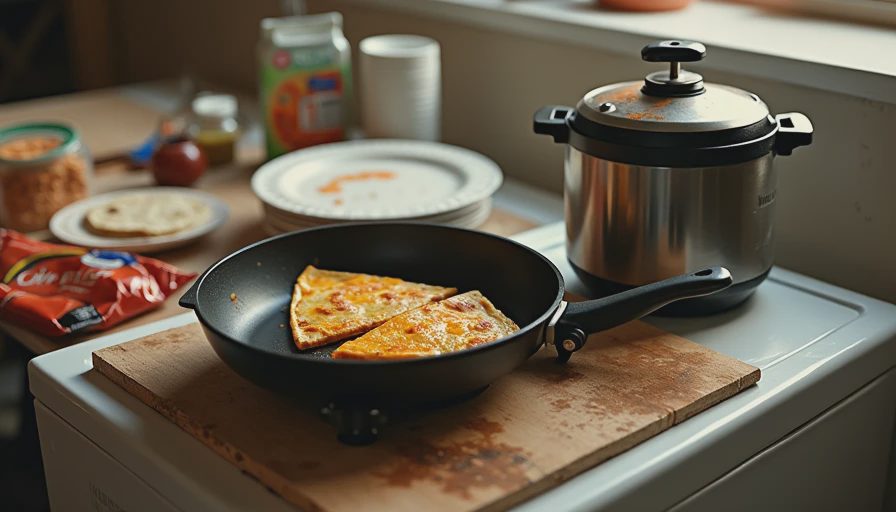
By the third week without a real kitchen the novelty had worn off. The folding table in the dining room had become permanent real estate. The camp stove lived on a sheet of plywood over the washer and dryer. The Instant Pot had earned a permanent power strip. Paper plates were no longer a fun camping vibe; they were just the dishes we never had to wash in the bathroom sink.
This is the record of the five meals that actually worked during that stretch. Not aspirational “renovation cooking.” Just the food that got two adults, two kids, and one shedding dog through the week without anyone declaring mutiny.
The Temporary Kitchen Setup (Reality Check)
Single-burner propane camp stove
Instant Pot (6-quart, the true MVP)
Electric kettle
Microwave (still in the dining room)
Cooler with ice packs for overflow because the fridge was full of leftovers and “we might need this” jars
One sharp knife, one cutting board, one non-stick skillet that lived in a plastic bin
That was the entire arsenal. Everything else was still in boxes or at the grandparents’ house “for safekeeping.”
Meal 1: Instant Pot Chili (The Sanity Saver)
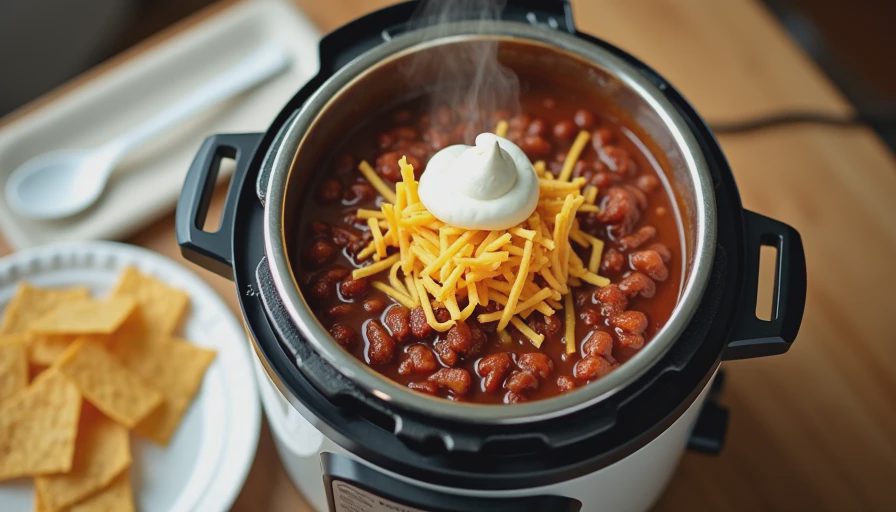
This was the workhorse. One pot, minimal cleanup, leftovers that improved overnight.
What we actually made:
Ground beef browned in the Instant Pot on sauté, onion and garlic (pre-chopped from a bag because dignity was limited), two cans of beans, one can of tomatoes, chili powder, cumin, salt. Forty minutes under pressure. Toppings were whatever survived in the cooler—shredded cheese, a dollop of sour cream, crushed tortilla chips.
We ate it three times that week. Charlie declared it “better than the old kitchen chili,” which was generous but accepted. The best part: the Instant Pot lid went straight into the dishwasher we still didn’t have, so we washed it in the bathroom sink once and called it fine.
Lesson: Make a double batch on Sunday. Future-you will be tired and grateful.
Meal 2: Camp-Stove Quesadillas with Whatever’s Left
When the chili ran out and motivation was lower than the propane tank, quesadillas saved us.
Tortillas, shredded cheese, and any protein or vegetable that needed to be used. We cooked them one at a time on the camp stove in the non-stick skillet. The kids customized their own. Emma’s were plain cheese. Charlie’s had leftover chili inside. Megan and I added hot sauce and pretended we were camping on purpose.
Cleanup was a single skillet and a spatula. Total time from “I’m hungry” to “we’re eating” was under twenty minutes.
Lesson: Keep tortillas and cheese as permanent temporary-kitchen staples. They forgive almost any other shortage.
Meal 3: Sheet-Pan Sausage and Peppers (Oven Still Worked)
The wall oven was still functional even though the rest of the kitchen was a construction zone. We used it like a secret weapon.
Sliced smoked sausage, bagged bell peppers and onions, olive oil, salt, pepper, garlic powder. Everything on a sheet pan lined with foil. 400°F for 25–30 minutes. Served over microwave rice or the leftover pasta we had pre-cooked and oiled before demo.
It felt almost like real cooking. The foil meant the pan stayed clean. The house smelled like food instead of dust for a few hours. Morale went up noticeably.
Lesson: If any appliance still works, exploit it shamelessly.
Meal 4: Breakfast-for-Dinner Eggs and Toast
Some nights the only honest move was eggs.
We boiled a dozen at the beginning of the week and kept them in the cooler. On the low nights we fried or scrambled a few more on the camp stove, toasted bread in the toaster we had moved early, and called it dinner. Add a handful of cherry tomatoes or the last of the avocado if it existed.
The kids never complained about breakfast for dinner. Adults quietly appreciated the lack of ambition required.
Lesson: Hard-boiled eggs are temporary-kitchen gold. Make more than you think you need.
Meal 5: Megan’s “We’re Still a Family” Pasta
Midweek, morale dipped hard. Megan decided we needed one meal that felt intentional.
She made a simple tomato sauce on the camp stove—garlic, olive oil, a can of good crushed tomatoes, salt, a pinch of sugar, and the dried basil that had survived in the pantry. Boiled pasta in the Instant Pot (yes, it works). Tossed it together and finished with the last of the parmesan.
We ate at the folding table with actual plates (the emergency ones we had kept). No phones. Charlie told a long story about school. Emma practiced a joke that didn’t quite land. For thirty minutes the dust and the missing cabinets and the wrong-hinged doors didn’t matter.
Lesson: One deliberately decent meal per week is worth the propane.
What We Stopped Trying to Cook
Anything that required more than one burner at a time.
Anything that produced a lot of grease or splatter.
Baking projects.
Stir-fries that needed constant attention while standing in a half-finished room.
Meals that created more dishes than we were willing to wash in the bathroom sink.
The temporary kitchen taught us efficiency the hard way. Fancy died first. Filling and low-cleanup survived.
The Spreadsheet Side of Eating
Temporary kitchen food costs were higher than normal. Paper goods, extra propane, more takeout on the worst nights, and the quiet tax of convenience packaging. We logged every propane canister and every pack of paper plates. By the end of week 3 the “Temporary Kitchen” category in the sheet was already larger than we had guessed in the original $38,000 estimate.
Worth it. No one went hungry. No one staged a revolt. The Instant Pot earned a permanent place in the future real kitchen.
Final Note from the Folding Table
Week 3 was the hardest. After that we found a rhythm. The meals above were not glamorous, but they were real, repeatable, and good enough to keep a family moving through the dust.
If you are staring down your own temporary kitchen stretch, steal these. Adjust them. Make a double batch of chili on day one. And remember that one decent pasta night can reset the entire mood of the house.
Measure twice, cook once.
Even when the stove has only one burner.