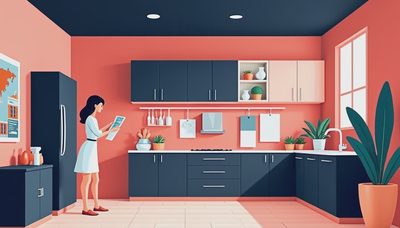
When Megan and I started planning our 1994 kitchen update, white kitchen cabinets seemed like the obvious answer. Our original almond doors made the 180-square-foot room feel darker than it was, and every online renovation photo appeared to use the same bright, clean solution. Then I priced new cabinets and nearly closed the spreadsheet. The first quote we received was $13,400 before countertops, appliances, or installation.
We eventually chose a less dramatic route: paint the existing maple boxes and replace the doors, hinges, and pulls where needed. The final cabinet-related total was $8,700, including materials, mistakes, and sales tax. It was not a perfect process. We painted one door twice, damaged a drawer front with an overconfident sander, and lived without a working kitchen for several weekends. Here is what I would want to know before beginning.
Why We Chose White Kitchen Cabinets
The practical appeal was simple. White reflects more light, gives a small kitchen a less crowded appearance, and works with almost any countertop color. Our room has limited natural light because the only window faces north, so the change from almond to a soft warm white made a noticeable difference even before we installed the new backsplash.
I did not choose a stark appliance-store white. We tested three sample colors on scrap maple: a cool bright white, a creamy off-white, and a warm neutral from Benjamin Moore. The cool option looked blue beside our gray luxury vinyl flooring. The cream looked yellow under the ceiling LEDs. The middle color won because it stayed calm in both daylight and evening light.
That sample process saved us from an expensive mistake. A color that looks balanced on a phone screen can look completely different beside oak flooring, stainless steel, or a quartz countertop. We left the samples on the wall for five days and viewed them at breakfast, after school, and while cooking dinner. White kitchen cabinets are not one color decision; they are a lighting decision.

The Real Cost Breakdown
Our cabinet plan had four major expenses. The replacement slab doors and five drawer fronts cost $2,180 from a regional cabinet supplier. A contractor-grade HVLP sprayer, sanding supplies, primer, paint, masking materials, and disposable filters totaled $640. New soft-close hinges cost $485, while brushed nickel pulls and knobs came to $310.
The largest line item was labor. We hired a local painter for the cabinet boxes and panels after realizing that spraying them in our garage would produce a finish nobody wanted inside the house. That invoice was $3,900. Delivery, tax, replacement parts, and the damaged drawer front brought the total to roughly $8,700.
For comparison, stock cabinets from a big-box store could have cost $6,000 to $10,000 for our layout before installation. Semi-custom cabinets would likely have pushed the project well above $15,000. Painting existing boxes made financial sense because they were square, solid, and already arranged around the plumbing. If your cabinet boxes are swollen from leaks, badly warped, or poorly laid out, paint will not solve the underlying problem.
What Went Wrong During the Paint Prep
Preparation was the least exciting part and the part that determined the result. We removed every door, labeled every hinge location, and cleaned the surfaces with a degreasing cleaner. Even after that, the first primer coat crawled around the cabinet near the range. Grease had found its way into a seam that looked clean.
We cleaned it again, scuffed the surface with fine sandpaper, and applied a bonding primer designed for finished wood. The painter then sprayed two finish coats with light passes rather than trying to cover everything in one heavy coat. That mattered because thick paint collects at corners and makes doors feel sticky when closed.
Our mistake was sanding one drawer front too aggressively. I exposed a low spot and spent an evening filling, sanding, and priming it again. The repair cost less than $30 in materials but added almost a full day. If you are doing this yourself, remove the doors and work in batches. Photograph the hardware before removal, label bags by cabinet location, and allow each coat to cure instead of trusting that a surface feels dry.
Hardware, Countertops, and the “Too Much White” Problem
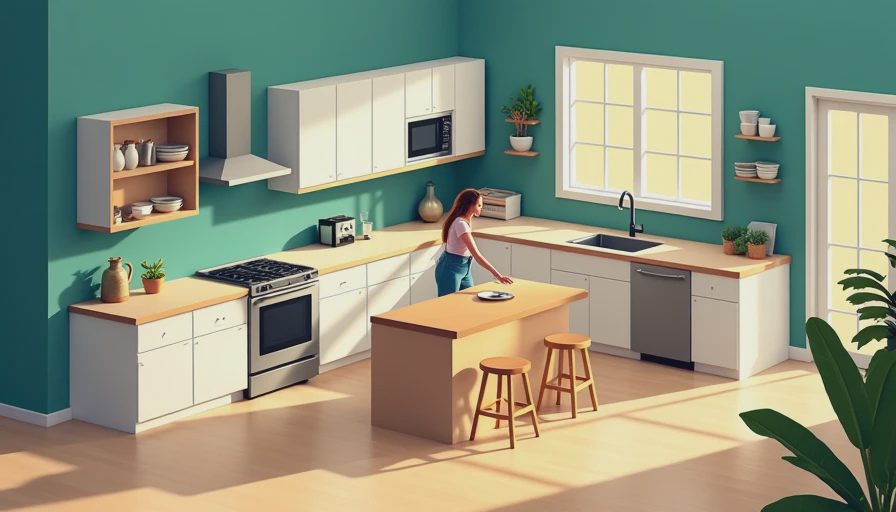
White kitchen cabinets need contrast or the room can look flat. We used a medium-gray quartz countertop with subtle veining, a muted green-gray backsplash tile, and natural maple shelves near the coffee station. The wood kept the room from feeling like a showroom where nobody is allowed to make toast.
Hardware was another place where the spreadsheet helped. We ordered one pull and one knob before buying the full set. The first pull felt too sharp and looked oversized on our narrow doors. Our final choice was a five-inch center-to-center pull for drawers and a smaller matching knob for doors. The change cost an extra $42 in samples and return shipping, which was cheaper than replacing 28 pieces of hardware.
We also kept the existing stainless-steel range and refrigerator. Their surfaces already had enough visual activity, so adding black hardware, black lighting, and a dark faucet would have made the room feel busier. White kitchen cabinets provide a quiet background, but every nearby finish becomes more visible against them.
Cleaning and Daily Wear After Six Months
The biggest question was whether white kitchen cabinets would survive two children, a dog, and my habit of cooking with more oil than the recipe requires. The answer is yes, but not without maintenance. We wipe the doors near the range every few days with a damp microfiber cloth and mild dish soap. Once a week, Megan cleans the most-used pulls and the cabinet below the trash bin.
We chose a satin finish rather than a high-gloss finish because it hides small variations and fingerprints better. The cabinet beside the dishwasher has picked up two faint gray marks from a lunchbox, but both wiped away. The lower doors show dust sooner than the old almond ones did, especially in winter when our house is dry and the furnace runs frequently.
The finish has held up better than expected because we do not use abrasive scrubbers. A soft cloth and diluted soap handle ordinary messes. For a home with young children, I would avoid textured grooves and complicated trim. Flat or lightly recessed doors give you fewer places for crumbs and sticky fingerprints to collect.
Should You Paint or Replace Your Cabinets?
My rule is straightforward: keep the boxes if the layout works and the material is sound. Replace the cabinets if you need better storage, have water damage, or dislike the current arrangement enough to move plumbing and electrical work. White kitchen cabinets can modernize a dated room, but they cannot create a pantry where one does not exist.
Before ordering anything, measure each opening twice, record the hinge style, and confirm whether the replacement doors match your box dimensions. We measured one opening incorrectly by three-eighths of an inch and caught it only because I compared the order against the original elevation drawing. Measure twice, cook once is not just a slogan in our house; it is how we avoided turning a $200 door into a $700 problem.
For our family, the painted approach was worth the weekends and the mess. We stayed under the cost of a full cabinet replacement, kept the existing layout, and gained a brighter room that feels like ours rather than a staged listing photo. If you are considering white kitchen cabinets, start with samples, a realistic labor estimate, and a spreadsheet that includes the mistakes. That is the version of the budget you will actually live with.