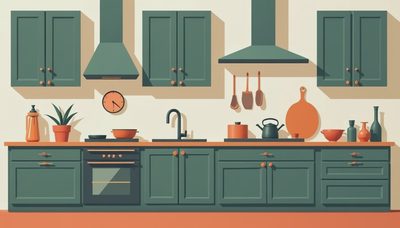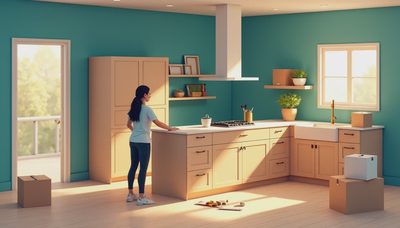
When we started our 1994 kitchen renovation, the almond-colored cabinets were not technically falling apart. They were just losing the daily argument with our family. A cereal bowl drawer jammed every morning, the mixer lived on the floor, and one cabinet door opened directly into the refrigerator. Choosing kitchen storage cabinets became less about making the room look expensive and more about making breakfast possible before school.
Our kitchen is roughly 180 square feet, and we had a middle-class renovation budget, not a television-show budget. We tracked every purchase in the spreadsheet, including hinges, filler strips, delivery fees, and the extra plywood I bought after cutting the first panel incorrectly. The cabinet boxes and fronts cost $7,840 before tax. Installation was mostly my weekend labor, with a contractor friend helping me check the peninsula and wall cabinets. That division saved money, but it also made the schedule longer and my vocabulary worse.
Start with the storage problems, not the catalog
Before looking at door styles, Megan and I listed what annoyed us. We needed a landing spot for lunch containers, a drawer wide enough for skillet handles, and a better home for baking sheets. The old kitchen had plenty of volume on paper, but much of it was unusable because deep shelves turned into dark archaeological sites.
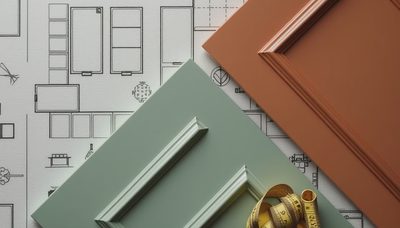
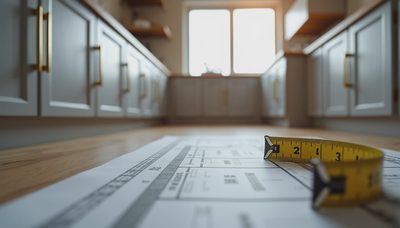
I measured every wall, appliance, window, and doorway twice. Then I measured again after removing the old trim. Kitchen storage cabinets are sold in standard widths, but your room does not care about standard widths. A refrigerator that is 36 inches wide on the appliance website still needs clearance for the doors, handles, and ventilation. A 30-inch range needs enough adjacent counter for a hot pan. Those inches disappear quickly.
My first spreadsheet version showed 24 cabinet boxes. The revised version showed 21 after I added required filler pieces and allowed space beside the dishwasher. That was a useful early lesson: fewer cabinets with practical drawers beat a crowded wall of doors.
How we compared kitchen storage cabinets
We considered stock cabinets from a local home center, ready-to-assemble cabinets from an online supplier, and semi-custom options from a showroom. The stock option was fastest but limited our drawer layout. The semi-custom quote looked excellent until the total passed $14,000 without countertops or installation. We chose ready-to-assemble kitchen storage cabinets because the dimensions were flexible enough and the price left room for better lighting and a quiet dishwasher.
The boxes use three-quarter-inch plywood sides, while the drawer fronts and doors have a painted maple finish. I am not claiming that construction is identical across every brand. Product descriptions can use similar words for very different materials, so I requested samples and inspected the drawer slides before ordering. Our boxes arrived flat-packed, and assembling them took about 15 minutes each after the first two. The first two took nearly an hour because I installed one bottom panel backward.
The cabinet order totaled $7,840, delivery added $280, and hardware brought the cabinet portion to $8,365. We bought simple brushed nickel pulls rather than premium designer hardware. That choice saved about $500, and nobody in our house has complained about the handles.
Spend money where your hands use the room
The biggest improvement was replacing several base-door cabinets with wide drawers. Our 36-inch drawer stack holds pots, pans, cutting boards, and the children’s lunch supplies. Pulling everything forward is dramatically easier than kneeling and reaching behind a stack of mixing bowls. The drawer upgrade added roughly $900 compared with basic doors, but it is the part of the kitchen I notice every day.
We also included a narrow 9-inch pullout beside the range for oils, vinegar, and spices. This sounded clever during planning and worked well in practice, although tall bottles still need sorting. A 24-inch trash-and-recycling pullout went under the main prep counter. That cost about $430 and eliminated the freestanding bin that used to block the walkway.
Where we saved was on decorative upgrades. We skipped glass doors, furniture-style feet, and a tall pantry cabinet that would have consumed valuable wall space. Instead, we used two standard pantry units with adjustable shelves. They hold cereal, canned food, and small appliances without requiring a ladder.
Kitchen storage cabinets should support the way you cook, not simply fill every available opening. If you cook with a Dutch oven every Sunday, plan its home first. If your coffee maker stays on the counter, reserve a nearby drawer for filters and mugs. That practical mapping matters more than a showroom display.

Installation mistakes that cost us time
I assumed cabinet installation would be a two-weekend sprint. It became four weekends because the 1994 wall was not straight, level, or particularly interested in my schedule. The longest wall varied nearly half an inch from one end to the other. Shims corrected the base run, but only after I stopped trying to force the boxes into alignment.
The correct sequence was to locate the highest point in the floor, establish a level line, secure a temporary ledger for the wall units, and work outward from the corner cabinet. I did not follow that sequence the first time. One upper cabinet ended up slightly low, so I removed it, patched the drywall, and started again. The repair cost only $38 in materials but consumed an entire Saturday.
Do not forget fillers. A cabinet placed tight against a wall may prevent a door from opening fully. We added a 3-inch filler beside the refrigerator and a 1 1/2-inch filler near the corner. Those strips look insignificant on a plan and become essential when a handle hits drywall.
What kitchen storage cabinets cost beyond the boxes
Our complete cabinet-related spending was higher than the headline price. In addition to $8,365 for boxes, doors, and hardware, we spent $310 on shims, screws, trim, and construction adhesive; $225 on a rental laser level and additional tools; and $190 replacing a damaged door shipped by the supplier. The total reached $9,090 before countertops.
A professional installer quoted approximately $3,500 to $5,000 for our layout, depending on the amount of wall repair and trim work. That range made sense after I spent more than 50 hours assembling, leveling, fastening, and adjusting doors. DIY labor was not free; it came out of evenings, family time, and one canceled ski weekend. Still, the savings paid for our quartz remnant and under-cabinet lighting.
If you hire installation, ask whether the quote includes delivery, old-cabinet disposal, fillers, crown molding, toe kicks, and return visits for adjustment. Those details can turn a low-looking bid into a realistic one.
Our buying checklist for a calmer order
Before ordering kitchen storage cabinets, I would follow this short process:
- Draw the room with exact wall, window, doorway, and appliance measurements.
- Mark plumbing, electrical outlets, vents, and heating registers.
- Choose the sink, refrigerator, range, and dishwasher before final cabinet dimensions.
- Make a list of objects that need homes, from sheet pans to pet food.
- Price drawers, pullouts, fillers, trim, delivery, tax, and damaged-part replacements.
- Order door and finish samples, then view them in both daylight and artificial light.
- Keep at least 10 percent of the cabinet budget for surprises.
The last point saved us from putting every dollar into the first quote. We also photographed each box before assembly and labeled hardware bags by cabinet number. That was not exciting, but it prevented a missing screw from stopping an entire evening of work.
Would we buy the same kitchen storage cabinets again?
Yes, with two changes. I would order one additional deep drawer for food containers, because our current drawer is always full. I would also choose a slightly taller pantry configuration. We saved money with standard units, but the unused space above them now collects serving platters and things I forget exist.
The painted finish has held up through school lunches, muddy hands, and one memorable blueberry smoothie spill. We clean it with a damp cloth and mild soap, not abrasive products. The drawers remain aligned, though two doors needed hinge adjustments during the first month.
The larger lesson is that kitchen storage cabinets are a workflow decision disguised as a style decision. Pick a finish you can live with, then spend your attention on reach, clearance, drawer width, and the actual equipment in your home. Our kitchen is not perfect, and the spreadsheet still contains a few red cells, but cooking no longer requires moving three unrelated appliances first. Measure twice, cook once.