The Day the Tool Aisle Won
I walked into Home Depot with a short list and a dangerous amount of confidence. The renovation notebook said “basic demo and install tools.” My brain said “you are basically a contractor now.”
Ninety minutes later I walked out with five tools that would earn permanent spots in the garage and one that never even made it into the trunk. This is the honest record of that first haul—what I paid, what I actually used, and the exact moment I realized one purchase was pure optimism dressed up as preparation.
The Rules I Set for Tool Buying
Before the first trip I wrote three rules in the notebook:
Buy only what the next two weeks of work require.
Prefer tools I can return without a restocking fee.
No “I might need this someday” items. Someday is how you end up with a garage full of almost-useful plastic.
I broke rule three once. You will see which one.
Tool 1: The Oscillating Multi-Tool
Paid: $79 (corded, mid-range kit with basic blades)
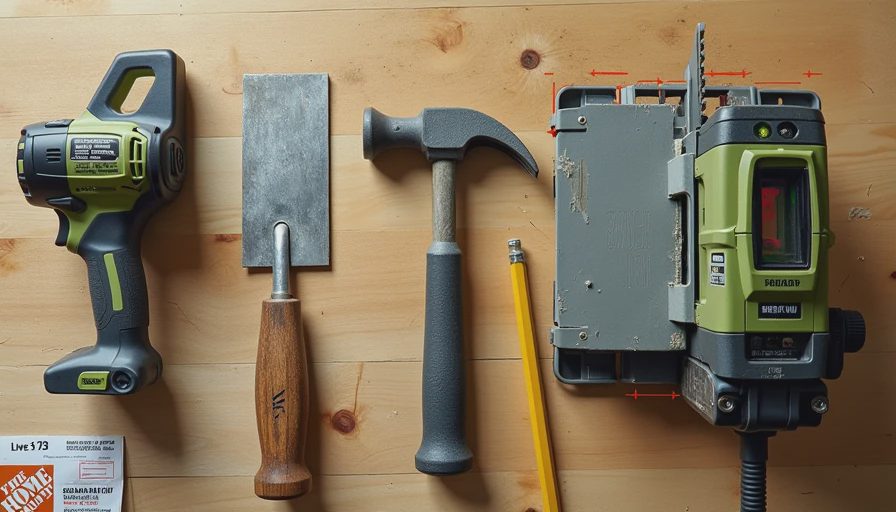
This was the first thing in the cart and the best decision of the day. If you have never used one, it is the tool that makes you feel like you possess a mild superpower. It cuts, scrapes, and sandes in tight spaces where a circular saw or reciprocating saw would destroy everything around the target.
We used it to remove the old vinyl baseboards, cut out sections of the particleboard cabinet backs, and later to sneak under the soffit without turning the entire ceiling into confetti. The first set of blades died faster than expected (drywall dust is not kind), but the tool itself has already paid for itself three times over.
Verdict: Keep forever. Buy extra blades on day one.
Tool 2: The Demolition Bar + 3-lb Sledge
Paid: $34 total
I almost skipped the small sledge. “How hard can prying cabinets be?” Very hard, it turns out, when the previous owners used construction adhesive like it was free frosting.
The demolition bar (the flat one with the nail puller on one end) became the daily driver for popping cabinet screws that had seized and for persuading the peninsula framing to let go. The 3-lb sledge was the closer—short, controlled swings that did not turn the wall behind the cabinets into abstract art.
Verdict: Both stay. The sledge also works for setting stakes when we finally redo the backyard fence.
Tool 3: The Cheap Wet Tile Saw
Paid: $89
This is the tool that makes DIY kitchen people either look like geniuses or like they should have hired someone. I stood in the aisle for ten full minutes comparing the $89 model to the $249 “contractor” version. The expensive one had a better stand and a slightly larger table. The cheap one had a blade and a motor that spun.
I bought the cheap one. We later cut every single backsplash tile with it—ceramic, a few glass accents, the awkward end pieces around the outlet cutouts. It was loud, it sprayed water farther than the manual claimed, and the plastic table flexed if you leaned on it. It also produced clean cuts once I learned to feed the tile slowly and keep the blade wet.
Verdict: Keep. For a single kitchen backsplash it is more than enough. If we ever tile a whole bathroom floor I will revisit the decision.
Tool 4: The Laser Level
Paid: $49 (cross-line, self-leveling)
I told myself this was optional. Then I tried to hang the first upper cabinet with a four-foot spirit level and a pencil. The laser level went into the cart on the second trip the same day.
It projects a bright horizontal and vertical line. Suddenly cabinet installation stopped feeling like guesswork and started feeling like following a product roadmap. We used it for the wall cabinets, the backsplash layout, and later for the under-cabinet lighting runs. The kids thought it was a lightsaber. I let them.
Verdict: Keep. One of the highest “why did I wait” tools of the entire project.
Tool 5: The Shop Vacuum (Wet/Dry)
Paid: $98 (medium size with HEPA-rated filter option)
Drywall dust, tile dust, old insulation bits, and the mysterious black grit that lives under 1994 vinyl flooring will attempt to colonize every surface of your house. The shop vac is the only thing that stands between you and a permanent film of gray on the living-room baseboards.
We ran it almost every evening after work. The filter clogged faster than expected (buy extras), and the hose occasionally popped off at the worst moment, but the alternative was living inside a dust cloud. No contest.
Verdict: Keep. Also useful for car detailing and the annual “what did the dog drag in” cleanup.
The One I Returned the Same Day
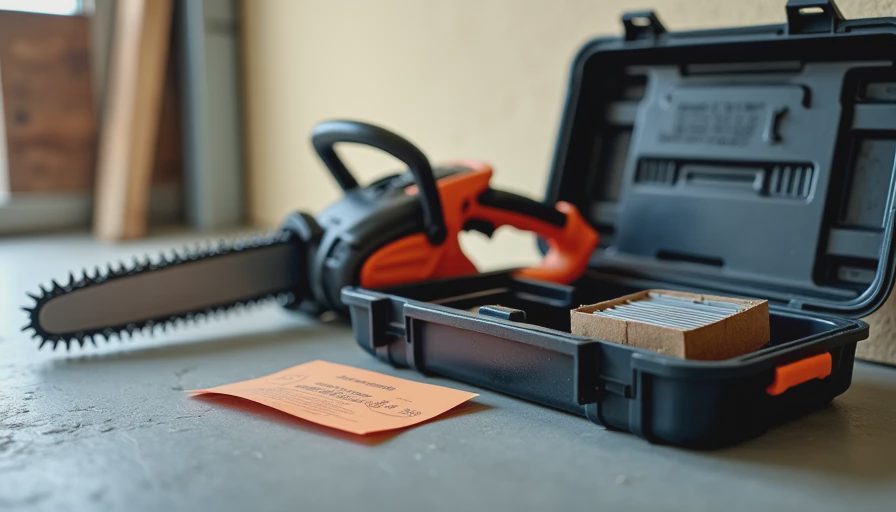
The “Contractor-Grade” Reciprocating Saw – Paid $129, returned $129
It looked serious. Long blade options, solid weight, a case that felt like it belonged on a job site. I put it in the cart because demolition videos always feature one, and because part of me wanted to feel like the kind of person who owns a reciprocating saw.
I got it home, charged the battery, and made three test cuts on scrap plywood in the garage. It was powerful. It was also heavier than I wanted for overhead work, louder than the multi-tool, and completely unnecessary for the scale of our kitchen. The oscillating tool already handled the controlled cuts. The demo bar and sledge handled the persuasion. The reciprocating saw was a solution looking for a problem we did not have.
I drove back to the store before dinner, receipt in hand, and returned it. The refund hit the card the next day. The garage stayed less crowded. My self-image as “basically a contractor” took a small, healthy hit.
Verdict: Correct decision. Ego is not a line item in the spreadsheet.
What I Would Tell Past Me
Buy the multi-tool and the laser level first. Get the shop vac before the first demo day. Rent the big breaker bar or the heavy demo hammer if you only need them once. And when you feel the urge to buy the serious-looking tool that every YouTube thumbnail features, walk to the return counter instead of the checkout.
The total for the five keepers was $349 before tax. The returned saw would have pushed us over $470 for tools we had not even started using. That difference bought a better set of cabinet hardware later and kept the contingency fund intact for the surprises we both knew were coming.
Measure twice, cook once.
And measure the tool against the actual job before the receipt is in your pocket.