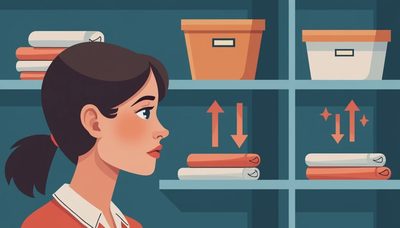
I used to pack for a weekend trip by throwing clothes into a suitcase until the zipper complained. Then I would discover that I had brought three shirts I never wore and forgotten a phone charger. Learning how to pack a suitcase efficiently fixed both problems. The goal is not squeezing every possible item into a bag. It is building a small, visible system that keeps essentials organized, prevents wrinkles, and leaves room for the trip home.
Start with a packing plan, not an open suitcase
The easiest way to overpack is to begin by placing items directly into your luggage. Instead, make a short list based on the number of days, the weather, planned activities, and access to laundry. For a five-day city trip, I might choose four shirts, two pairs of pants, one lightweight layer, five pairs of underwear, five pairs of socks, sleepwear, and one versatile pair of shoes. That is a starting point, not a law carved into the kitchen counter.
Lay everything on a bed or floor before packing. This creates a useful pause between wanting an item and actually taking it. If two shirts serve the same purpose, choose the one that works with more outfits. Pack colors and fabrics that coordinate instead of building a different outfit for every day. A neutral overshirt, dark jeans, and comfortable walking shoes can cover a surprising range of plans.
When I am figuring out how to pack a suitcase efficiently, I also separate must-haves from nice-to-haves. Prescription medicine, identification, glasses, chargers, and basic toiletries belong in the must-have group. A fourth pair of shoes rarely does.
Choose the right folding method for each item
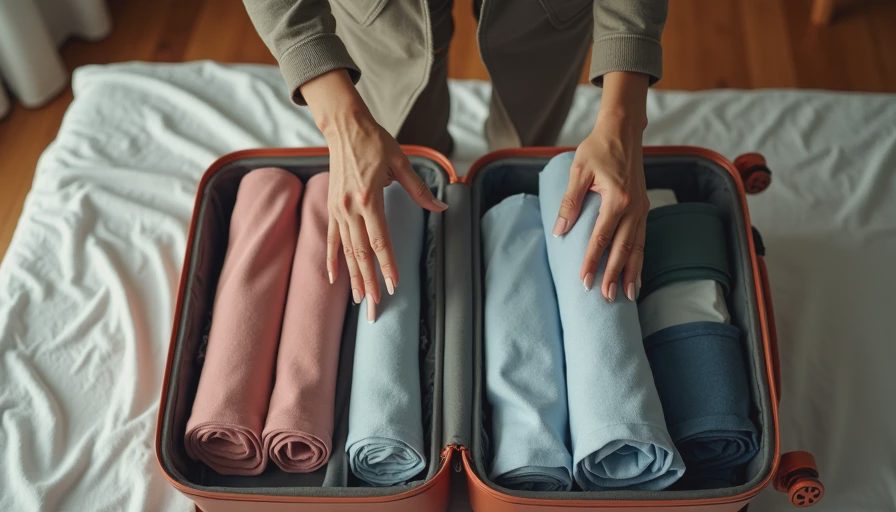
Rolling is useful for casual clothing, especially T-shirts, workout gear, pajamas, and soft shorts. Lay each piece flat, fold sleeves inward, and roll from the bottom into a firm cylinder. Tight rolls use space well and make individual items easy to find without disturbing the entire suitcase.
Folding works better for structured garments. Button-down shirts, sweaters, blazers, and linen pieces can develop deep creases when rolled too tightly. Fold them along their natural seams and place them near the top of the bag. For dress clothes, put tissue paper or a thin dry-cleaning bag between layers. The slippery surface reduces friction, which can help limit wrinkles.
A hybrid approach is usually better than choosing one technique for everything. Put rolled basics around the edges or in gaps, fold heavier garments flat in the center, and keep delicate pieces near the top. Shoes can sit along the suitcase perimeter with their soles facing outward. Stuff socks or belts inside shoes, but use a small bag first if the shoes are dirty.
The best answer to how to pack a suitcase efficiently is not “roll everything.” It is matching the method to the material, shape, and purpose of each item.
Build zones inside the suitcase
Think of your luggage as a small drawer system. Put shoes and heavier items at the wheel end, where they are less likely to shift onto delicate clothing when the suitcase stands upright. Place folded pants and jackets in the base, then add rolled shirts and undergarments around them. Leave a shallow top layer for items you may need soon after arrival.
Packing cubes can make this layout easier, but they are not magic space machines. A medium cube for shirts, a smaller cube for underwear and socks, and a laundry bag are usually enough. Overstuffed cubes become hard blocks that waste the irregular corners of a suitcase. Soft-sided pouches often fit those corners better.
Keep a simple arrival kit near the top: toothbrush, clean shirt, underwear, medication, and a charging cable. If your flight arrives late or your hotel room is not ready, you can freshen up without unpacking everything. This small choice saves more frustration than squeezing in one extra sweater.
Protect liquids, electronics, and fragile items
Liquid leaks can turn a tidy packing job into a sticky disaster. Put shampoo, lotion, sunscreen, and other liquids in a clear, leak-resistant toiletry bag. Tighten every cap, then place the bag inside a second plastic pouch or reusable waterproof bag. Travel-size containers are useful when they hold enough for the trip; bringing a full bottle of body wash is usually dead weight.
Electronics should stay together in a small organizer rather than scattering through the suitcase. Include charging cables, adapters, earbuds, and a compact power bank if you use one. Carry medication, valuables, identification, and essential electronics in your personal item when flying, not in checked luggage.
For fragile souvenirs or glasses, use clothing as padding but do not rely on a thin T-shirt alone. Place the object in a rigid case, wrap that case with a sweater, and position it in the middle of the suitcase. Avoid putting fragile items near the outside panels, where impacts are more likely.
Make room for the trip home
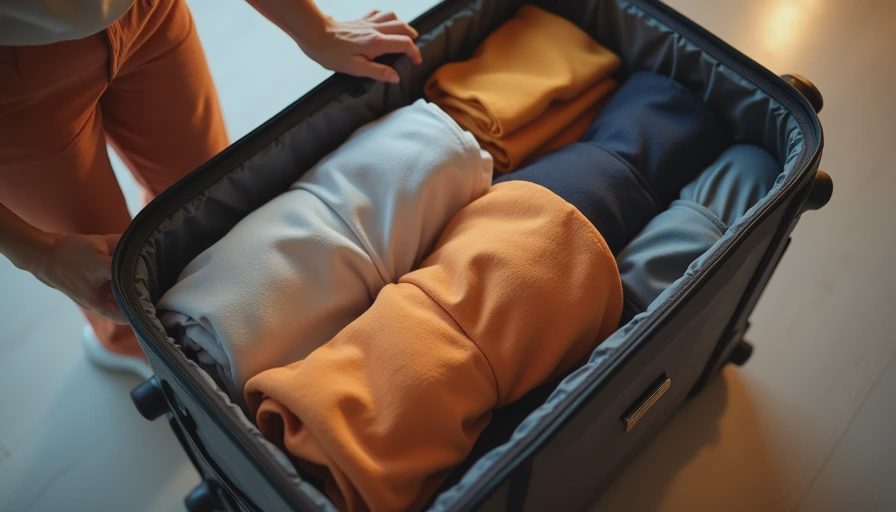
Many travelers pack perfectly for departure and then panic when returning with gifts, dirty laundry, or a jacket bought on the road. Leave at least 10 to 15 percent of the suitcase empty when possible. A foldable tote takes almost no space and can become a laundry bag or an extra carry-on for the trip home, depending on airline rules.
Use one washable laundry pouch to separate worn clothing. This keeps clean garments from absorbing travel smells and makes unpacking faster. If you have access to a dryer, a lightweight dryer sheet in the laundry bag can help with odor, although it should not replace washing.
A small luggage scale is worthwhile if you regularly check bags. Overweight fees can cost more than a compact scale, and weighing at home gives you time to remove a pair of shoes rather than reorganize at the airport counter. Check your airline's current size and weight limits because policies differ.
A five-minute final check
The final step in how to pack a suitcase efficiently is a deliberate review. Compare the packed bag with your list and remove anything you added without a clear reason. Check that chargers are present, medication is accessible, liquid containers are sealed, and shoes are protected. Put identification and travel documents somewhere you can reach without opening the main suitcase.
Then lift the bag. If it feels awkwardly heavy before you have added souvenirs, it will be worse after a long walk through a terminal. Remove the least versatile item first, usually an extra shoe or a duplicate jacket. Take one photograph of the open suitcase if you are traveling with children or a partner; it makes repacking easier and helps everyone remember where things belong.
My rule is simple: pack outfits, not fantasies. Choose pieces that work together, use the right method for each fabric, and create a little empty space. Measure twice, cook once applies to luggage too: a short plan before the zipper closes beats a frantic repack at the airport.