
I started researching how to wash pillows after our youngest spilled hot chocolate across her bed five minutes before school. The pillow looked washable, but “looks washable” is not a maintenance plan. Some pillows can go straight into a washing machine, while others need spot cleaning or professional care. Here is the process I now use at home, including the part I got wrong the first time.
Check the Pillow Before Washing
The care label is the first checkpoint. Look for washing instructions, water temperature, drying guidance, and warnings about bleach. If the tag says dry clean only, do not experiment with the family’s front-loader. A $12 pillow is not worth a damaged washer, and a $100 down pillow is definitely not a place for guesswork.
How to wash pillows also depends on the filling. Polyester fiberfill and many down-alternative pillows are usually machine washable. Cotton, down, and feather pillows can often be washed carefully, but they take longer to dry. Memory foam and latex pillows should generally not be submerged. Their covers may be washable, but the solid foam center needs spot treatment instead.
Before starting, inspect the seams. A loose thread or small opening can become a pillow explosion during the spin cycle. I learned this with an old fiberfill pillow that left white fluff on the rubber door seal, inside the drum, and somehow on the dog. If the cover is torn, repair it first or replace the pillow.
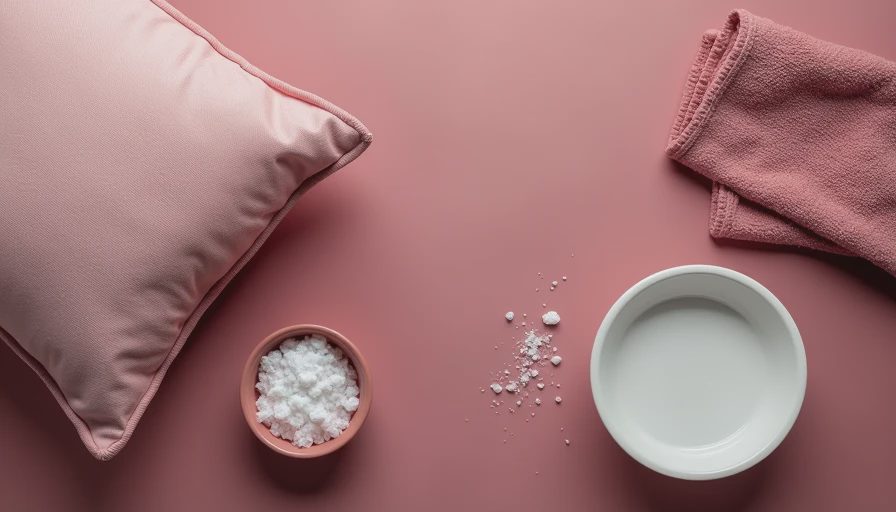
How to Wash Pillows in a Machine
For machine-washable pillows, remove the pillowcase and any protective cover. Wash two pillows together when possible so the load stays balanced. If you only have one pillow to clean, add two or three clean bath towels rather than running an awkward single-item load.
Use a small amount of mild liquid detergent. Too much soap can remain trapped in the filling and leave the pillow stiff or sour-smelling. I use roughly half the detergent amount recommended for a normal medium load. Skip fabric softener because it can coat fibers and reduce the pillow’s ability to spring back.
Choose a gentle or bulky-item cycle with warm water unless the label specifies cold water. An extra rinse is useful, especially for down-alternative filling. When thinking about how to wash pillows, people often focus on getting them clean and forget that detergent removal matters just as much. A pillow that still holds soap can irritate skin and smell worse after drying.
After the wash ends, press the pillow gently over the sink or tub. Do not twist it like a towel. Twisting can distort the filling and stress the seams. If it still feels heavily soapy, run another rinse cycle before moving on.
Drying Is the Part That Matters Most
The most important rule for how to wash pillows is to dry them completely. Moisture trapped in the center can create a musty smell and encourage mildew. A pillow may feel dry on the outside while the middle is still damp, particularly with dense feather or fiberfill designs.
Check the label before using a dryer. If the pillow allows tumble drying, use low heat and add two clean wool dryer balls or tennis balls enclosed in socks. They help break up clumps as the pillow tumbles. Stop the dryer every 30 to 45 minutes, remove the pillows, and fluff them by hand.
The first time I washed two pillows, I treated the dryer like a set-it-and-forget-it appliance. The outsides felt warm after an hour, so I put them back on the bed. By morning, one smelled faintly like a wet basement. I ran another low-heat cycle, then left both pillows near a box fan for several hours. That extra patience fixed the problem.
Do not use high heat simply to finish faster. Excessive heat can damage synthetic fibers, shrink fabric, or affect foam components. If the care label allows air drying, place the pillow flat in a well-ventilated area and turn it regularly. Direct sun can help with odor, but avoid leaving delicate fabric outside for an entire afternoon.
How to Wash Pillows That Have Stains
For a small stain, spot clean before washing the whole pillow. Mix a little mild detergent with water, apply it to a cloth, and dab from the outside of the stain toward the center. Avoid soaking memory foam, latex, or any pillow labeled non-washable.
Sweat and yellowing are common on older pillows. A washable polyester pillow may tolerate an oxygen-based stain remover, but follow the label and test a hidden area first. Chlorine bleach is usually too harsh for filling and fabric. If the stain is from blood, use cold water first; hot water can set protein-based stains.
For an odor, let the pillow air out before adding stronger products. Sprinkle baking soda over a removable cover, let it sit for several hours, and vacuum it thoroughly. This will not replace washing, but it can improve a cover that smells stale between laundry days.
A Simple Pillow-Care Schedule
How to wash pillows is only one part of keeping bedding fresh. Wash pillowcases weekly, and launder removable pillow protectors about once a month. A protector is inexpensive insurance against sweat, skin oils, dust, and accidental spills. It also means the actual pillow does not need aggressive cleaning as often.
I inspect our pillows every few months. If one has permanent lumps, a sagging center, broken seams, or an odor that returns after a full wash and dry, replacement is usually more practical. Basic polyester pillows often cost around $10 to $25, while quality down, latex, and specialty foam models can cost considerably more. A replacement decision should consider comfort and condition, not just age.
For our house, the maintenance routine is now simple: pillowcases every week, protectors monthly, and a full wash when the label allows it or after a significant spill. That schedule fits into a normal laundry weekend instead of becoming a midnight emergency.
Mistakes to Avoid
The biggest mistake when learning how to wash pillows is assuming every pillow belongs in the washer. Check the material first. The second mistake is using too much detergent. More soap does not equal more cleanliness when the filling holds onto it. The third is putting a damp pillow back on the bed because the outside feels dry.
Also avoid ironing pillows, compressing them for long periods while damp, and storing them in airtight plastic before they are fully dry. If you use a laundromat’s large commercial machine, choose a front-loading washer when possible and inspect the drum before loading bedding.
My final process is deliberately boring: read the label, inspect the seams, wash with mild detergent, rinse well, dry slowly, and check the center for moisture. Measure twice, cook once applies surprisingly well to laundry too. Taking five minutes to understand the material can save a whole afternoon of fixing a lumpy, smelly pillow.