The Clock Was Already Running
The dumpster was scheduled for Monday morning. The oscillating multi-tool was charged. The public spreadsheet had a new tab labeled “Temporary Kitchen.” And still, for three more days, we had a fully functioning (if dated) kitchen with a real stove, a real sink, and a refrigerator that did not require a long extension cord.
Those three days became a quiet farewell tour of normal cooking. No Instant Pot heroics yet. No folding-table dinners in the garage. Just the last meals we would ever make in the almond-cabinet kitchen before the fluorescent lights went dark for good.
This is what we cooked, why we chose it, and the small practical lessons that made the transition less chaotic than it could have been.
The Strategy We Settled On
We made three rules for the final stretch:
Use up everything perishable that would not survive a week of cooler-and-camp-stove living.
Cook one deliberately “nice” meal so the kids would remember the old kitchen fondly instead of only as the place that became a dust zone.
Prep a few freezer and pantry backups that required zero cooking equipment beyond a microwave and a kettle.
The goal was not gourmet. The goal was to walk into demo day with an empty fridge, a clear conscience, and enough easy food that no one would mutiny on night three of temporary kitchen life.
Thursday Night: Clean-Out Stir-Fry
The refrigerator had become a museum of good intentions—half an onion, two sad carrots, a container of leftover rice from earlier in the week, the last of the bell peppers, and a package of chicken thighs that needed to be cooked now or thrown away.
I fired up the old electric range one final time. High heat, a little oil, everything chopped roughly and thrown in. Soy sauce, garlic powder, a splash of the rice vinegar that had lived in the door for two years. Twenty minutes later we had a hot, slightly chaotic stir-fry that tasted better than it had any right to.
The kids ate without complaint. Megan declared it “acceptable.” I stood at the laminate counter with the mystery burn mark and realized this was probably the last time I would cook while leaning against those particular cabinets.
Practical takeaway: A clean-out stir-fry is the most honest last meal a kitchen can offer. Nothing fancy, nothing wasted.
Friday Night: Megan’s Lasagna (The Real Last Supper)
We had talked about this one for a week. If we were going to say goodbye to the old kitchen, we wanted one proper family dinner that felt like the ones we had cooked here for years.
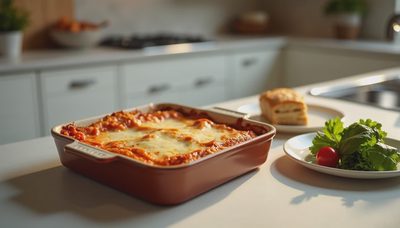
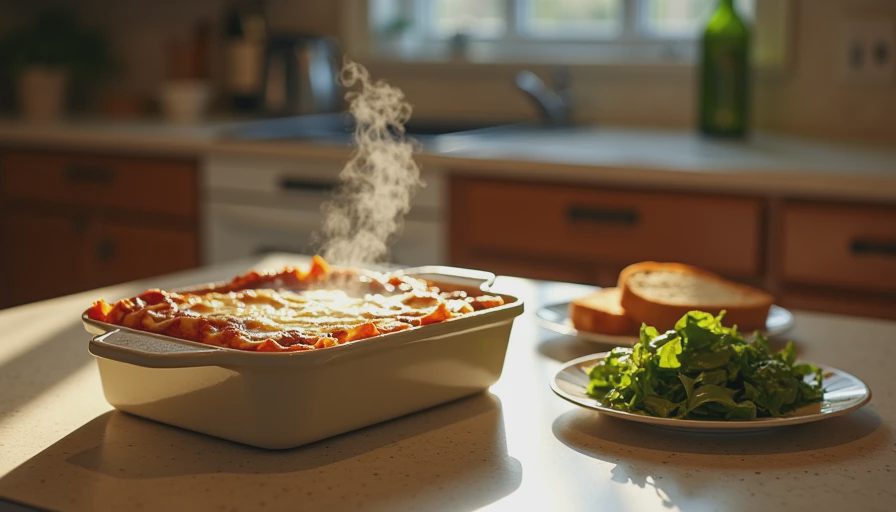
Megan made her lasagna—the version with the extra layer of béchamel she only does when she has time and patience. I handled the salad and garlic bread. The fluorescent lights buzzed overhead. The kids set the table in the eating nook without being asked, which felt like its own small miracle.
We ate slowly. Charlie told a long story about recess. Emma asked if the new kitchen would still have the same window. We said yes. The lasagna was excellent. The old range held temperature better than it had any right to after thirty years.
After dinner I washed the dishes by hand even though the dishwasher still worked. It felt right. The burn mark on the counter watched the whole thing in silence.
Practical takeaway: Schedule one deliberately good meal before demo. The memory becomes useful later when you are eating chili off a paper plate in the garage.
Saturday: Leftover Architecture and Freezer Prep
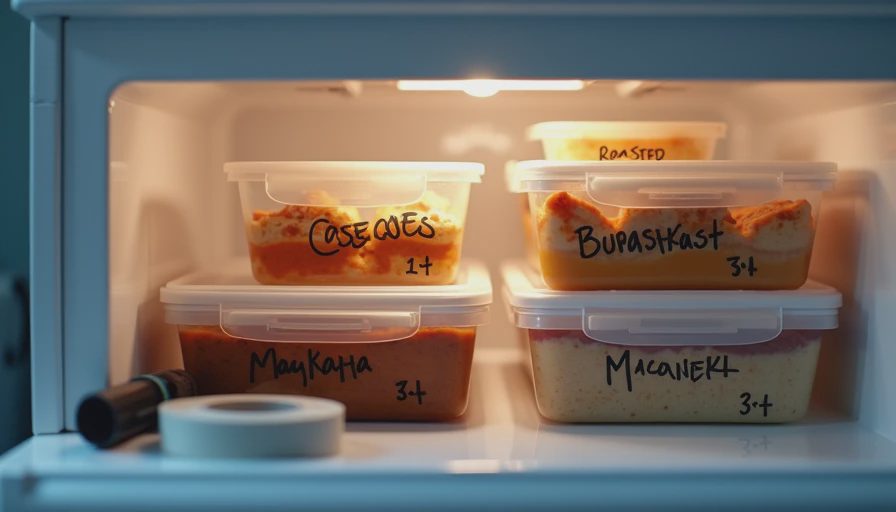
The lasagna leftovers were portioned into three containers and frozen. We roasted the last of the vegetables and turned them into a big batch of soup that would reheat in the Instant Pot. I cooked a pound of pasta, tossed it with olive oil, and stored it for quick camp-stove meals. Megan hard-boiled a dozen eggs.
By Saturday evening the refrigerator was almost empty except for milk, butter, and the condiments that would move to the temporary setup. The freezer was newly organized with labeled containers. The pantry had been raided for anything that required only boiling water or a microwave.
We also made a master list on the whiteboard:
Instant Pot chili (two batches ready to go)
Breakfast burritos (assembled and frozen)
Pasta + jarred sauce (emergency mode)
Oatmeal packets and the good coffee
Looking at that list felt like packing for a short, slightly uncomfortable vacation inside our own house.
The Small Details That Made a Difference
We moved the coffee maker, the toaster, and the Instant Pot to the temporary station in the dining room two days early. That way Sunday morning still felt normal even though the kitchen counters were already cleared of everything that mattered.
We also bought paper plates and a sleeve of plastic forks in advance. Pride is expensive when you are washing dishes in a bathroom sink at 9 p.m. after a long demo day.
The last thing I cooked on the old stove was a simple pot of oatmeal on Sunday morning. Charlie ate two bowls. Emma declared it “the last oatmeal forever,” which was dramatic even by six-year-old standards. I turned the burner off, unplugged the range, and wrote “Range offline – 8:14 a.m.” in the renovation notebook.
What I Wish Someone Had Told Us
You will feel weirdly emotional about a kitchen you have complained about for years. The fluorescent buzz, the sticky drawer, the burn mark—they become familiar in a way that only disappears when the dumpster is in the driveway.
Cook the good meal. Use up the food. Freeze more than you think you need. And take five minutes to stand in the empty kitchen the night before demo and say a quiet thank-you. The room fed your family. It is allowed to get a proper goodbye.
Monday morning the almond cabinets come down. The camp stove era begins. The spreadsheet already has a new column for “Temporary Kitchen Expenses.”
Measure twice, cook once.
And eat well while you still have a real stove.