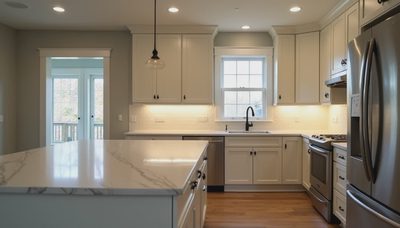
The Plan That Looked So Reasonable on Paper
Saturday morning. Dumpster in the driveway. Oscillating multi-tool charged. Demolition bar and 3-lb sledge ready. Kids shipped to grandparents for the day. Megan and I standing in the almond kitchen with coffee and a shared delusion that we would be done by early afternoon.
The renovation notebook said:
Pull appliances
Remove cabinet doors and drawers
Tear out base and wall cabinets
Scrape vinyl flooring
Bag and haul
Estimated time: four hours. Maybe five with a lunch break.
Twelve hours later we were still wearing dust masks, the sun had set, and the kitchen looked like a war zone that had only partially surrendered. This is the honest timeline of demolition day—what went according to plan, what laughed at the plan, and the exact moments the spreadsheet gained a few new unplanned lines.
7:12 a.m. – The Optimistic Start
We unplugged the range, refrigerator, and dishwasher first. The refrigerator rolled out with surprising cooperation. The dishwasher fought back; one of the leveling legs had fused itself to the vinyl in a way that required the demo bar and language the kids are not allowed to hear.
Cabinet doors came off in twenty minutes. Soft-close mechanisms that still worked were saved in a labeled bin. The ones that had given up years ago went straight into the dumpster with zero ceremony. For a brief window it felt like we were crushing it.
8:40 a.m. – The Cabinets Fight Back
Upper cabinets should have been straightforward. They were not. The previous owners (or the original installers) had used a combination of screws, nails, and what appeared to be construction adhesive applied with enthusiasm. The oscillating tool earned its keep cutting through the sticky situations. The sledge and demo bar handled the rest.
Base cabinets were heavier and more awkward than expected. The peninsula, in particular, had been built in place and did not want to leave. We ended up cutting it into three manageable sections. Dust was already everywhere. The shop vac ran almost continuously.
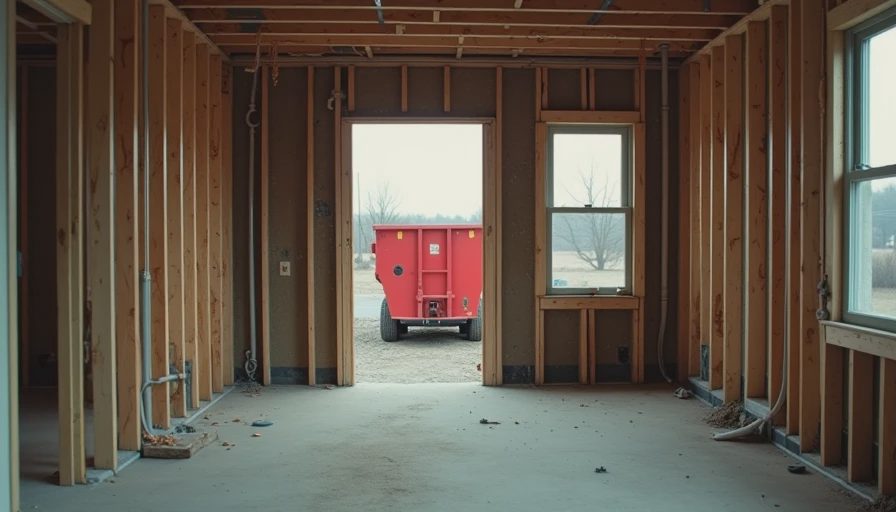
By 10:30 a.m. the room was a skeleton of wall studs, exposed plumbing, and a floor still covered in old vinyl. We were behind schedule and slightly high on demolition endorphins.
11:15 a.m. – The Vinyl Surprise
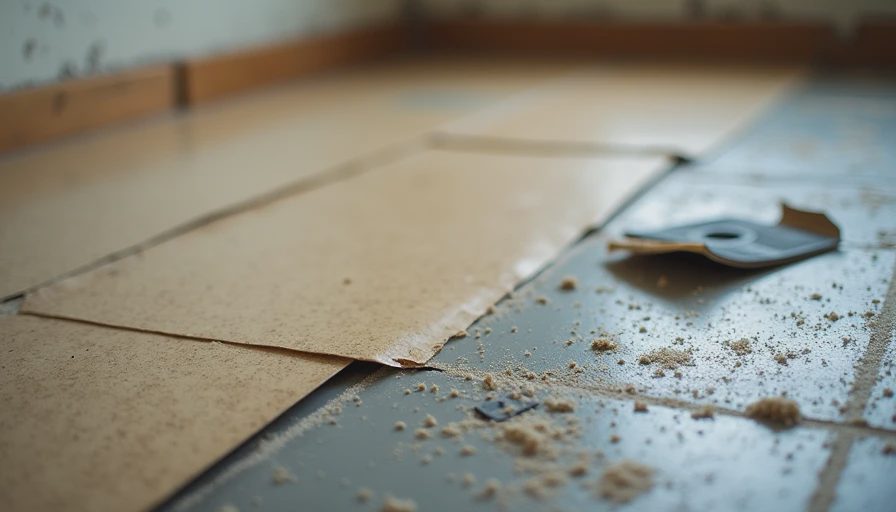
We had budgeted time and money for asbestos testing on the old vinyl. The test had come back negative weeks earlier, so we expected a relatively clean pull. Reality was messier. The vinyl had been glued down with a tenacious adhesive that turned into a sticky gray paste when we tried to scrape it. Large sections came up in satisfying sheets. Other sections required the oscillating tool, a floor scraper we had to buy mid-day, and a lot of kneeling.
Under the vinyl we found the original 1994 underlayment and, in two spots near the sink, soft subfloor that would need attention later. No mouse traps this time (we had already found those during the earlier exploratory surgery). Just decades of grit and one lonely plastic army man that Charlie must have lost years ago.
1:30 p.m. – Lunch in the Garage
We ate cold lasagna leftovers on the folding table in the garage while sitting on overturned buckets. Dust masks hung around our necks. Both of us had gray hair that had nothing to do with age. The dumpster was already a third full. The kitchen still had the soffit, the remaining adhesive, and a lot of cleanup ahead.
Megan looked at me and said, “Four hours was cute.”
I wrote “Schedule was optimistic” in the notebook and underlined it twice.
3:00–6:30 p.m. – The Long Grind
The soffit came down in pieces. We had expected simple drywall over empty space. Instead we found old wiring that had to be carefully avoided and a surprising amount of settled dust that billowed out like it had been waiting thirty years for this exact moment. The shop vac filter clogged for the third time.
We scraped. We bagged. We hauled. The dumpster filled faster than the rental company had suggested it would. By 5 p.m. I made the call to schedule a second dumpster pick-up for Monday rather than risk overflowing onto the driveway.
The last major task was protecting the rest of the house. Zipper plastic walls, carefully taped seams, and a vow that the dust would not colonize the living room. We mostly succeeded. Mostly.
7:45 p.m. – Done Enough
The kitchen was gutted. Studs exposed. Floor scraped bare. Plumbing and electrical rough-ins visible and labeled. The temporary kitchen in the dining room was already set up from the night before. We were exhausted, filthy, and weirdly proud.
Twelve hours after the first coffee we stood in the empty space with headlamps (the fluorescent fixture had been one of the first things to go) and took the after-demo photos for the record. The almond cabinets were gone. The burn mark on the laminate was in the dumpster. The fluorescent buzz was silenced.
What the Spreadsheet Learned That Day
Extra floor scraper and replacement blades: $47
Second dumpster fee (partial): $185
Replacement shop-vac filters: $28
Pizza delivery for dinner because neither of us could face cooking: $34
Ibuprofen and the good heat rub: $18
The original demo budget had contingency for a reason. We used part of it. The sheet was updated before we showered.
What I Would Tell Anyone Facing Their Own Demo Day
Double your time estimate and then add two hours.
Buy the good dust masks and more plastic than you think you need.
Have a second person. Solo demo of a full kitchen is how people hurt themselves or give up halfway.
Take the before-and-after photos even when you are tired. Future you will want the evidence.
Accept that the dumpster will look bigger in the driveway than it feels when you are filling it.
We went to bed that night with the windows open and the whole house smelling like old wood and drywall dust. The kids would come home the next day to a house that no longer had a kitchen. The camp-stove era had officially begun.
Measure twice, cook once.
And when the notebook says four hours, smile politely and block out the entire day.