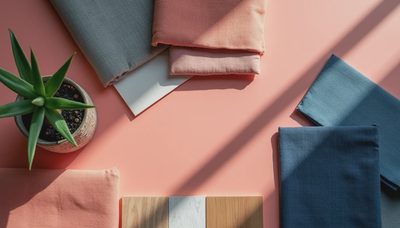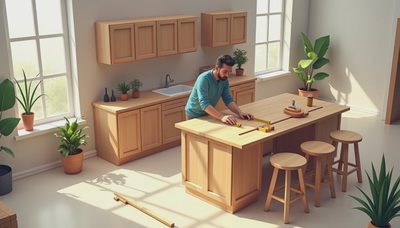
When I started planning our kitchen renovation, I knew the cabinets, counters, and lighting mattered. I did not expect to spend three evenings debating fabric samples. If you are asking what is a window treatment, the short answer is simple: it is any covering or finishing element added to a window for light control, privacy, insulation, or appearance. Curtains, blinds, shades, shutters, and even decorative valances all fit the definition.
That basic answer is useful, but it does not tell you which option belongs in a real home with kids, cooking splatter, a limited budget, and windows that get blasted by afternoon sun. I learned that part the slow way, with a tape measure in one hand and a spreadsheet in the other.
What is a window treatment supposed to do?
The best window covering solves a specific problem before it tries to look beautiful. In our Salt Lake City kitchen, the south-facing window made the breakfast table uncomfortably bright by 3 p.m. It also created glare on the laptop Megan uses for lesson planning. Privacy was less urgent because the window faces our backyard, but heat and glare were constant annoyances.
A window treatment can provide four practical benefits. First, it can block or filter sunlight. Blackout shades are useful in bedrooms, while light-filtering cellular shades work well when you want daylight without direct glare. Second, it can add privacy, especially on windows facing a street or a neighboring house. Third, it can reduce drafts and solar heat gain. No covering will replace proper window insulation, but a close-fitting shade can make a noticeable comfort difference. Finally, it can visually finish a room by adding color, texture, or height.
The mistake is buying something because it looks good in a staged photo. A linen curtain that works in a calm living room may absorb cooking odors near a range. A white fabric shade may look crisp until tomato sauce finds it. Function comes first; the style decision gets easier afterward.
Common types and where they make sense
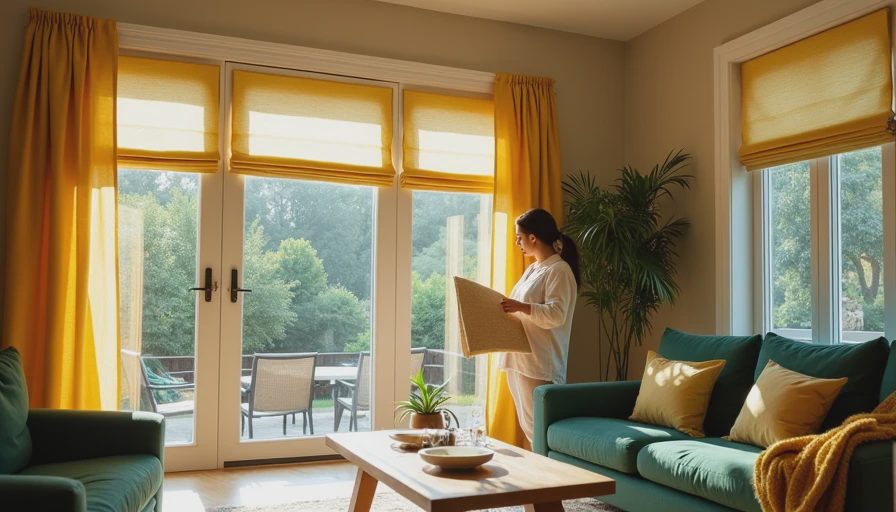
Once you understand what is a window treatment, the product categories become less confusing. Curtains and drapes are fabric panels hung from a rod. Curtains are usually lighter and less formal, while drapes often use heavier, lined fabric. They are flexible, affordable, and easy to replace, but they need enough wall space for the rod and may collect dust or kitchen grease.
Blinds use horizontal or vertical slats, commonly made from vinyl, aluminum, faux wood, or real wood. Faux-wood blinds are popular in kitchens because they handle humidity better than natural wood and can often be wiped clean. A basic 2-inch faux-wood blind might cost $35 to $90 for a standard window, while custom sizes can run considerably higher.
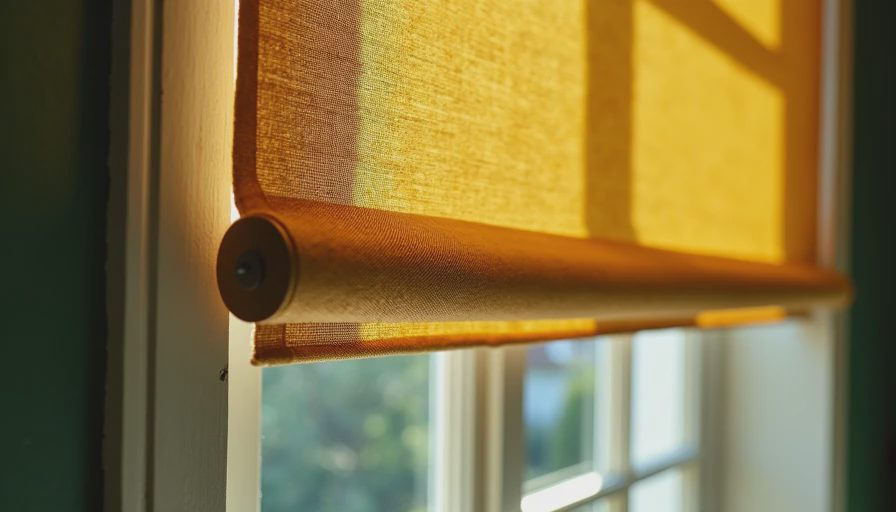
Shades are made from a continuous material that rolls, folds, or stacks. Roller shades have a clean, low-profile look and are especially practical over sinks. Cellular shades use honeycomb-shaped pockets that help slow heat transfer. Roman shades offer a softer, more tailored appearance, although their fabric is not always the easiest surface to clean.
Shutters are rigid panels, usually made from wood or composite material, mounted inside the window frame. They are durable and attractive, but they are among the most expensive choices. Depending on size and material, a professionally measured shutter can cost several hundred dollars per window. I liked the look, but our renovation spreadsheet did not.
How we chose a kitchen option
Our first idea was a woven Roman shade because it looked warm and relaxed. Then I pictured flour, grease, and two children reaching over the sink. The romance faded quickly. We compared a cordless faux-wood blind, a white roller shade, and a simple washable curtain panel.
The roller shade won for practical reasons. A midrange cordless shade cost about $85, fit inside the existing frame, and could be wiped with a damp microfiber cloth. We chose a light-filtering fabric rather than blackout material because the kitchen still needed daytime brightness. The inside mount also left the trim visible, which made the window look intentional instead of covered up.
Cordless operation was important for two reasons. It reduced dangling cords around the kids, and it made the window easier to use with one hand while cooking. Many modern shades and blinds are available with cordless controls, but the mechanism and material affect the price. A basic manual roller shade can be inexpensive, while motorized models from brands such as Lutron, Hunter Douglas, or Budget Blinds can reach several hundred dollars per window.
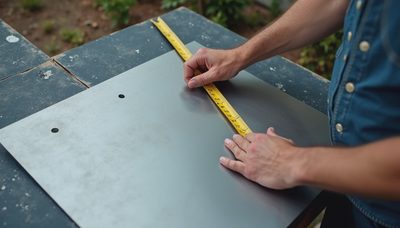
Measure the glass, frame, and available wall area before ordering. For an inside mount, measure the width at the top, middle, and bottom, then use the smallest measurement. Measure the height in at least two places as well. If the window is not square, a small discrepancy can prevent the shade from operating smoothly. Measure twice, cook once—or in this case, measure twice before spending $120 on a piece of fabric.
Budgeting for the whole project
The price of a window treatment includes more than the product. You may also pay for mounting hardware, delivery, installation, measuring, and removal of an old covering. A DIY curtain setup can cost $40 to $150 per window when you combine a rod, brackets, and panels. A stock blind or shade often lands between $30 and $150. Custom shades commonly start around $150 and can exceed $500, depending on size, fabric, controls, and brand.
For our kitchen, one roller shade, two brackets, and a small installation kit came to just under $110 before tax. I installed it myself in about 35 minutes, including the time spent finding the correct drill bit. A professional installation might add $50 to $150 for a straightforward window, while a full-home project can be quoted as a package.
I recommend setting a per-window ceiling before shopping. If you have eight windows and a $1,200 allowance, that is an average of $150 each, not permission to spend $350 on the first window and hope the rest work out. Use the higher budget on windows that need insulation, privacy, or custom sizing. Use inexpensive, washable options in low-priority rooms.
Installation mistakes worth avoiding
The most common error is mounting a covering too close to a cabinet, faucet, or appliance. In our kitchen, the sink faucet handle sits closer to the right side of the window than it appeared on the renovation drawing. A wide blind would have collided with it. We switched to a narrower inside-mounted shade and avoided a frustrating return.
Another mistake is ignoring the way the window opens. A shade that projects too far can interfere with a casement handle. A curtain can block a sliding window or brush against a counter. Check the operating path, not just the finished appearance.
Finally, do not skip the cleaning plan. Ask whether the material can be vacuumed, wiped, or removed for laundering. Fabric near a stove needs more attention than fabric in a guest room. Dust is easy; sticky cooking residue is a different category of problem.
My practical answer before you buy
So, what is a window treatment in the context of a renovation? It is both a design choice and a small piece of building performance. The right covering controls the light you actually dislike, protects privacy where you need it, and fits the way your household uses the room.
Start by writing down the problem for each window: glare, heat, privacy, drafts, or an unfinished appearance. Then measure carefully, compare the full installed cost, and choose a material you will realistically clean. For a busy kitchen, I would start with a cordless roller shade or washable faux-wood blind before considering delicate fabric.
A pretty window is nice. A pretty window that does not hit the faucet, collect grease, or wreck the budget is better. That was the useful lesson from our own renovation: solve the daily annoyance first, then make the solution look good.