When I searched for how to clean kitchen spaces properly, most advice assumed I had an empty room, unlimited time, and no children asking for snacks. Our kitchen is 180 square feet, serves four people, and usually contains one mystery container in the refrigerator. This is the routine that works in our 1994 suburban kitchen without turning Saturday into a cleaning marathon.
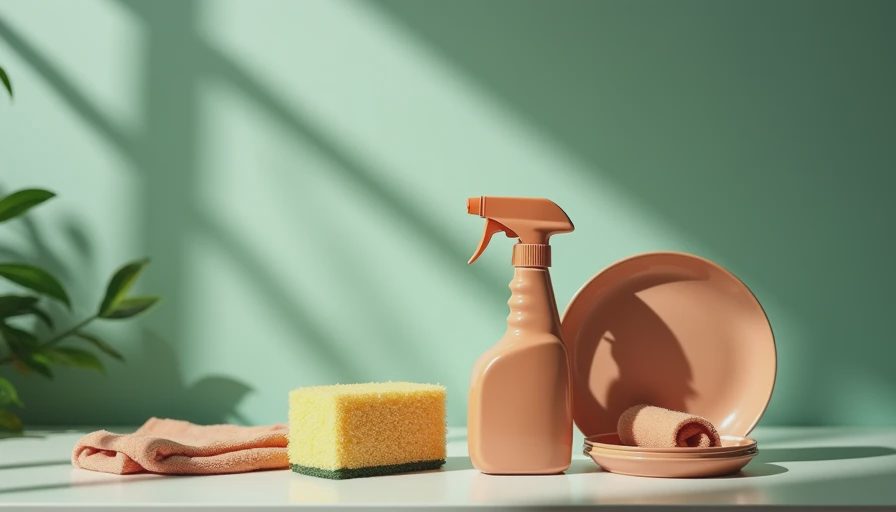
I divide the job into zones and work from dry tasks to wet tasks. That means clearing counters before spraying them, cleaning from high surfaces down, and leaving the floor for last. The order matters more than owning a cabinet full of specialized products. We spent about $28 on supplies at the beginning, then used things we already had: microfiber cloths, a scrub brush, dish soap, white vinegar, baking soda, and a basic all-purpose cleaner.
Start by Resetting the Room
The first step in how to clean kitchen areas is not scrubbing. It is removing everything that does not belong. I set a 10-minute timer and make three groups: trash, items for another room, and items that belong in the kitchen but are out of place. Charlie handles lightweight items, Emma collects napkins and wrappers, and Megan checks the refrigerator for food that has clearly reached the end of its career.
Next, I empty the sink and load the dishwasher. A full sink makes every following task feel harder, and dirty dishes hide the counter space I need. I also take out the trash before cleaning. Otherwise, the bag tends to be the final unpleasant surprise when the room already smells like cleaner and old banana peels.
For a deeper reset, I remove countertop appliances one at a time. The toaster gets shaken over the trash, the coffee maker gets its drip tray washed, and the microwave turntable goes into the sink. I do not move the refrigerator or oven during a normal weekly clean. Those are separate maintenance tasks, not evidence that I have failed at housekeeping.

Clean Counters, Cabinets, and the Sink
A useful rule for how to clean kitchen surfaces is to match the product to the material. Our laminate counters tolerate mild dish soap and warm water. Natural stone requires more care, so I would use a cleaner labeled for that surface rather than improvising with vinegar. The same product should not automatically go on wood, painted cabinets, stainless steel, and stone.
I spray the cloth instead of soaking the counter, then wipe in overlapping passes. Around the stove, I let grease sit for two or three minutes before wiping. Scrubbing immediately usually spreads it into a larger shiny patch. For dried food, a plastic scraper works better than a knife and is less likely to leave a gouge.
Cabinet doors collect fingerprints at the handles, especially with two kids and a drawer full of cereal. Warm water with a small amount of dish soap handles most marks. I wipe with a damp cloth, then dry the doors so moisture does not sit around the edges. Once a month, I wipe the cabinet tops, where dust and cooking grease combine into a substance that belongs in a science museum.
The sink gets a final pass because it is where dirty tools land. I scrub the basin with dish soap and a non-scratch sponge, rinse thoroughly, and wipe the faucet base. I do not mix cleaning products, especially bleach with vinegar or ammonia-based products. That is not a stronger cleaning method; it is a safety hazard.
Handle Appliances Without Overcomplicating Them
When friends ask how to clean kitchen appliances, they often expect a special product for each one. We have had better results with short, repeatable maintenance. For the microwave, I heat a bowl of water for several minutes, let the steam loosen food, and wipe the interior after it cools enough to handle. The turntable gets washed separately.
For the stovetop, I remove grates and knobs if the manufacturer allows it. Warm soapy water loosens ordinary splatter. Our old almond-colored range has baked-on spots that require patience, not aggressive scraping. I use a cooktop-safe cleaner where appropriate and keep abrasive pads away from surfaces that could scratch.
The dishwasher filter is another overlooked area. I remove it according to the manual, rinse away trapped food, and brush the mesh gently. A clean filter helps prevent odors and gritty dishes. I wipe the gasket with a damp cloth and check for crumbs near the door. This takes less than 10 minutes when done regularly and much longer after months of neglect.
Our refrigerator gets a monthly shelf check rather than a dramatic all-day emptying. I group similar foods, wipe spills with warm soapy water, and avoid using harsh cleaners near uncovered food. A small tray for sauces reduced future spills more effectively than any expensive organizer. That was a $6 fix with a surprisingly high return on investment.
Finish the Floors and Hidden Edges
The final stage of how to clean kitchen rooms is the floor, because crumbs and dirty water fall downward while everything else is happening. I sweep first, including under the table and along the cabinet toe-kicks. Then I spot-clean sticky areas before mopping. If I mop over dry crumbs, I create damp crumbs, which is a technical downgrade rather than progress.
Our floor is vinyl plank, so I use a lightly damp microfiber mop and avoid leaving standing water. Tile, sealed wood, and laminate each have different care requirements, so the flooring instructions are worth keeping in the renovation notebook. Do not assume more water equals a cleaner floor. It often means more streaks, swelling, or a longer drying time.
The toe-kicks deserve attention every few weeks. They collect crumbs that are invisible from standing height but obvious when a child drops a toy underneath the cabinets. I use the vacuum crevice tool first, then wipe the edge with a damp cloth. I also clean the floor around the trash can, dishwasher, and dog bowl because those are our highest-traffic spots.
Our 30-Minute Weekly Version
For an ordinary week, how to clean kitchen efficiently comes down to limiting the scope. I spend five minutes clearing clutter, eight minutes on counters and the table, seven minutes on the sink and appliance fronts, and 10 minutes sweeping and mopping the main path. Megan and I often split the work, while the kids put away safe items and wipe the table with a damp cloth.
The timer keeps me from polishing one drawer while ignoring the rest of the room. If the kitchen is unusually messy, I run the dishwasher and stop after the basic reset. A clean sink, usable counter, empty trash, and clear floor make the room functional even when the cabinet tops can wait.
A Monthly Deep-Clean Checklist
For how to clean kitchen areas beyond the weekly reset, I schedule one extra task each weekend instead of attempting everything at once. Week one is the refrigerator shelves. Week two is the range hood filter. Week three is cabinet fronts and toe-kicks. Week four is the dishwasher filter and the space beside small appliances.
I write the task and date in our renovation notebook. That sounds overly organized until I realize I can no longer remember whether I cleaned the hood filter last month or last winter. The notebook also prevents buying duplicate products. Before purchasing a specialty spray, I check what is already under the sink.
The biggest lesson from our old kitchen is simple: how to clean kitchen spaces is mostly a question of sequence and consistency. Clear first, clean high to low, use the right product for the material, and stop before the routine becomes a punishment. Measure twice, cook once—and wipe the counter before the next meal.